
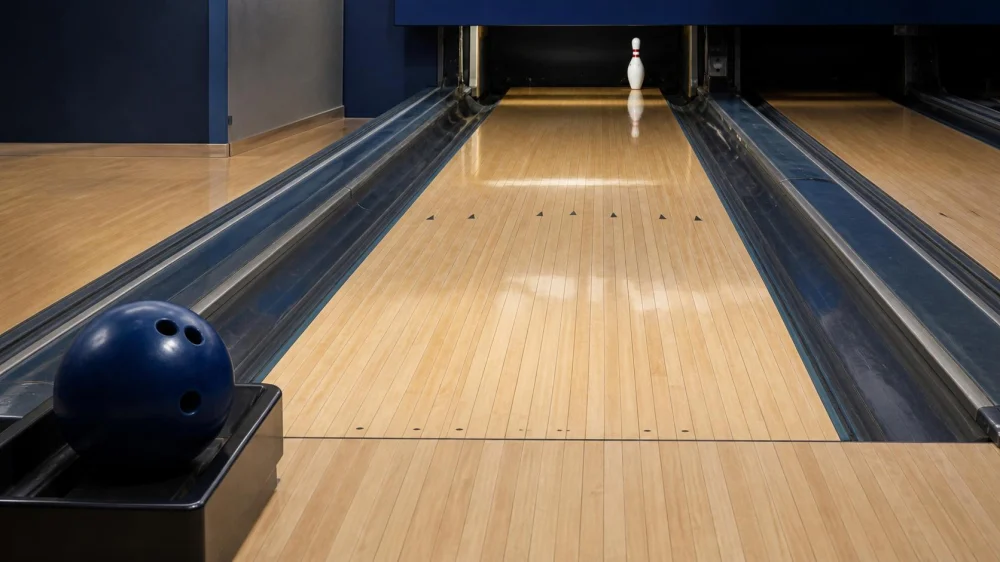
Bowling Spares: A Simple Target-and-Adjustment Practice Plan
On this page
Quick answer
To improve bowling spares, create a repeatable system instead of guessing from each leave. Use one comfortable ball, a consistent starting position, and a specific lane target for common pins. Practice one pin group at a time, record whether the miss was left or right, and make a small adjustment only after a pattern appears.
This guide is for beginner and casual ten-pin bowlers in the United States who want a practical practice plan. It explains a basic method, not a guarantee for every lane condition or delivery style.

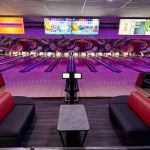
Norwich Bowling & Entertainment Center
NorwichSoutheastern Connecticut Planning RegionConnecticut
188 W Town St, Norwich, CT 06360, USA
Why spare practice matters
A bowling spare is recorded when a player knocks down all ten pins using both deliveries in a frame. The first shot creates the leave; the second shot must cover every standing pin. Spare shooting rewards control because the goal is a defined pin or pin group rather than maximum pin action.
Casual bowlers often spend most practice shots trying for strikes. That can make the second ball feel improvised. A simple spare system reduces decisions: recognize the key pin, choose the start and target you have practiced, then make the normal delivery. The value comes from repeating the process, not from memorizing a complicated chart on the first day.
The “key pin” is the frontmost pin in a cluster. Contacting it on the useful side gives the ball and pins a better chance to continue through the remaining group. For a single-pin leave, the standing pin itself is the key pin.

Build a baseline system
Start with the delivery you can repeat most reliably. Many bowlers use a straighter roll for spares because it reduces downlane change, while others keep a mild hook. Either can work. Avoid switching speed, ball, start, target, and release all at once because you will not know which change affected the result.
Choose a visual target among the lane arrows or nearby boards. Note a starting board or approach dot for your feet. For a pin on the right side, your feet may move left so the ball can travel diagonally across the lane; for a pin on the left, the setup often mirrors. The exact direction and amount depend on which hand you use, how far the ball swings from the body, and whether the ball curves.
Create a small personal reference instead of copying another bowler's coordinates. Write down the pin, starting mark, target mark, and result. Your body, shoes, ball, and release define the system. A coach can help confirm safe alignment when you are unsure.
Practice single-pin spares
Single pins are useful practice because the required result is clear. Begin with pins closer to your normal first-ball line, then work toward the corner pins. Use a full, balanced approach rather than steering the ball with the wrist at the last moment.
- Name the pin. Confirm which pin is standing before stepping onto the approach.
- Choose the setup. Place your feet at the reference used for that side of the lane.
- Focus on a lane mark. Aim at an arrow or board rather than staring only at the distant pin.
- Roll through the target. Keep normal tempo and complete the follow-through.
- Observe the miss. Note whether the ball passed left or right of the pin and where it crossed the target area.
- Repeat or adjust. Repeat a sound shot; after a consistent miss, move one small reference.
Corner pins require a wider cross-lane path for many bowlers. Leave enough room for the ball to travel without approaching the gutter too early. A straight spare ball can be useful for experienced bowlers, but a beginner should not buy equipment before learning whether fit and release are consistent.
Plan multi-pin spares
For a connected group, aim to contact the key pin in a way that carries the ball through the cluster. A direct hit can work for a straight line of pins, while another leave may require slight side contact. Focus first on making the most countable pins rather than attempting a dramatic conversion with a very low margin.
For separated pins, decide whether a realistic path exists. Some split leaves require precise ball and pin interaction and are difficult even for strong players. In ordinary practice or league play, maximizing pin count may be the better decision. Choose the larger or more reachable group, especially when the score situation rewards count over a risky attempt.
Do not throw harder simply because more pins remain. Extra speed can reduce control and create unsafe strain. Use the delivery you can balance, then improve the angle with setup and target choices.
Practice checklist
- Warm up with a comfortable ball and controlled delivery.
- Choose one side of the lane or one pin family for the session.
- Record the foot mark, lane target, and miss direction.
- Use sets of three to five attempts before judging a pattern.
- Change one variable: feet, target, or release intention.
- Practice both left- and right-side leaves.
- Finish with a few simulated frames that mix first shots and spares.
- Rest when grip, balance, or attention begins to fade.
Limitations and safety notes
Open bowling does not always let you place specific pins, and automatic practice modes vary by scoring system. Never enter the lane or touch pinsetting equipment to arrange a leave. Ask center staff whether a spare-practice mode is available, or practice whatever leaves occur naturally.
Oil patterns change ball motion, and a house ball may not fit consistently. Stop if a finger sticks, the ball causes pain, the approach is wet or tacky, or equipment fails to cycle. Stay behind the foul line, keep hands clear of the return opening, and report problems to staff.
Frequently asked questions
Should I throw straight or hook at spares?
Use the path you can repeat. A straighter roll often reduces sensitivity to lane oil, but a controlled hook can work when it is predictable.
Where should I stand for a corner pin?
Build a personal cross-lane setup. Many bowlers stand on the opposite side and roll diagonally, but the exact board depends on hand, swing path, and target.
How many spare shots should I practice?
Quality matters more than a fixed number. Short, focused sets with notes are more useful than continuing after fatigue disrupts the delivery.
What should I do with a difficult split?
Assess the score situation and your skill. Converting the reachable group for pin count is often a sensible choice when the full spare is unlikely.
Evidence note
This plan reflects common bowling instruction principles: target a key pin, use repeatable visual references, observe miss direction, and change one variable at a time. Equipment fit, physical technique, and lane conditions are individual, so personalized instruction from a qualified coach or pro-shop professional can refine the system.
Next steps
At your next session, choose one right-side and one left-side single-pin reference. Record five sound attempts for each. Keep the setup that produces the tightest pattern, then test it during complete frames. Over time, add one new leave at a time to build a spare map you can actually trust.





 Bowl 360 Brooklyn3.0 (1742 reviews)
 Mountainhome Bowling Center4.0 (137 reviews)
 City Sports Grille4.0 (179 reviews)
 Thomaston Lanes Inc4.0 (286 reviews)
 Woodlawn Duckpin Bowling4.0 (15 reviews)
 Linden Lanes4.0 (801 reviews)
 Step-by-Step Guide to Improve Bowling Balance and Footwork
 Affordable Bowling Nights in San Diego with Discounts and Specials
 House Bowling Ball Fit: Check Weight, Holes, and Control
 How to Improve Bowling Accuracy Fast: Best Tips for Beginners and Casual Players
 Why Bowling Is Becoming a Top Choice for Family Night Activities Across the U.S.
 The Truth About Bowling Ball Hook Potential | Southwestern Lanes