
- Bowling-Ball-Spin-Basics-and-Why-It-Matters
- Proper-Grip-and-Hand-Position-for-Better-Spin
- Release-Technique-to-Create-a-Consistent-Hook
- Body-Position-and-Footwork-for-Bowling-Control
- Practice-Drills-to-Improve-Ball-Spin
- Common-Mistakes-That-Reduce-Hook-and-Control
- Choosing-the-Right-Bowling-Equipment-for-Spin
- Improve-Your-Bowling-Skills-with-Southwestern-Lanes
Bowling Ball Spin Basics and Why It Matters
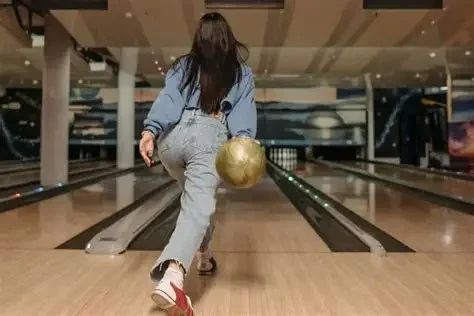
Learning How to Spin a Bowling Ball Correctly for Better Hook and Control is one of the most important skills for bowlers who want to improve beyond basic straight shots. A properly spun bowling ball creates a controlled hook motion that allows the ball to enter the pocket at a stronger angle, increasing the chance of knocking down more pins.
Many beginners believe that spinning a bowling ball simply means rotating the wrist as much as possible. However, professional bowlers understand that effective spin comes from a combination of hand position, timing, release technique, ball speed, and lane conditions. Too much rotation without control can cause inconsistent shots, while the right amount of rotation can create a smooth and predictable path toward the pins.
Modern bowling has evolved significantly. Professional players use advanced techniques to generate powerful hooks, but the foundation remains the same: the bowler must create energy behind the ball and release it in a way that allows the ball’s surface and core design to work together.
1. Understanding Bowling Ball Rotation
When a bowling ball spins, it rotates around its axis as it travels down the lane. This rotation creates friction between the ball surface and the lane, eventually causing the ball to change direction. This movement is commonly called a hook.
A controlled hook is valuable because it helps the ball approach the pins from an angle rather than hitting them straight on. A stronger entry angle can improve pin carry and create better scoring opportunities.

2. The Difference Between Spin and Hook
Although the terms are often used together, spin and hook are not exactly the same. Spin refers to the rotation of the bowling ball, while hook refers to the sideways movement caused by that rotation interacting with the lane.
A player can create a lot of spin but still have poor hook control if the release is inconsistent. Successful bowlers focus on creating useful rotation rather than simply maximizing spin.
Proper Grip and Hand Position for Better Spin
One of the first steps in learning How to Spin a Bowling Ball Correctly for Better Hook and Control is developing a comfortable and effective grip. The way your fingers and thumb interact with the ball directly affects your release.
1. Maintaining a Relaxed Grip
Many beginners hold the bowling ball too tightly because they worry about dropping it. A tight grip creates unnecessary tension in the arm and wrist, making it harder to achieve a smooth release.
A relaxed grip allows the hand to move naturally through the swing. The thumb should exit the ball smoothly before the fingers create the final rotation.
2. Finger Placement and Rotation Control
The positioning of the middle and ring fingers plays an important role in generating spin. When these fingers rotate slightly around the ball during release, they create the side rotation needed for a hook.
The goal is not to force the fingers around the ball aggressively. Instead, the motion should feel natural, similar to turning a doorknob gently.
3. Avoiding Excessive Wrist Movement
A common misunderstanding is that powerful bowling comes from twisting the wrist dramatically. In reality, excessive wrist movement often reduces accuracy.
Professional bowlers usually keep the wrist stable and allow the fingers to create controlled rotation at the moment of release.
Release Technique to Create a Consistent Hook
The release is the most important moment when learning how to spin a bowling ball correctly. A strong release combines timing, finger action, and follow-through.
1. The Thumb-First Release
A traditional hook release begins when the thumb exits the ball slightly before the fingers. This creates space for the fingers to rotate and generate axis rotation.
If the thumb and fingers leave the ball at the same time, the ball often travels straighter because there is less opportunity for rotation.
2. Creating Side Rotation Naturally
The best bowlers do not force the ball to spin. Instead, they allow the hand to move naturally from behind the ball to slightly beside it during release.
This movement creates rotation while maintaining control. The ball should leave the hand smoothly rather than being thrown or twisted.
3. Following Through Correctly
A proper follow-through helps maintain accuracy and power. After releasing the ball, the bowling arm should continue upward toward the target.
Stopping the arm suddenly can reduce consistency and affect the direction of the shot.
Body Position and Footwork for Bowling Control
Even a perfect hand release will not produce consistent results without proper body positioning. Bowling is a complete movement involving the legs, hips, shoulders, and arm.
1. Building a Balanced Starting Position
A strong bowling approach begins with balance. The body should remain comfortable, with the shoulders relaxed and eyes focused on the target area.
Many advanced bowlers focus on lane arrows instead of directly looking at the pins because these visual markers provide a more consistent aiming reference.
2. Developing Smooth Footwork
Footwork creates the timing needed for an effective release. Rushing the approach often causes the upper body and arm movement to become disconnected.
A smooth approach allows the bowler to generate power without sacrificing accuracy.
3. Maintaining Proper Balance at the Foul Line
A balanced finish position is a sign of good technique. The sliding foot should support the body while the opposite leg helps maintain stability.
Professional bowlers often hold their finishing position briefly because it shows that their movement was controlled and repeatable.
Practice Drills to Improve Ball Spin
Improving bowling technique requires consistent practice. Instead of simply playing full games, focused drills help bowlers develop specific skills faster.
1. One-Step Release Drill
The one-step drill focuses entirely on the release. Starting close to the foul line, bowlers practice letting the ball leave their hand with proper thumb and finger timing.
This drill helps beginners understand how rotation is created without worrying about the full approach.
2. Slow Motion Swing Practice
Practicing the bowling swing slowly allows players to identify problems with grip, timing, and hand position.
Many bowlers discover that slowing down their movement helps them develop better control before increasing speed.
3. Target Practice
Instead of focusing only on knocking down pins, bowlers should practice hitting specific targets on the lane.
Consistent accuracy is what transforms a powerful shot into an effective scoring technique.
Common Mistakes That Reduce Hook and Control
1. Trying to Spin Too Hard
One of the biggest mistakes beginners make is attempting to create maximum rotation. Excessive spin often causes unpredictable movement and missed targets.
The goal is controlled rotation, not the fastest possible spin.
2. Changing Technique Too Frequently
Improvement requires repetition. Constantly changing hand positions, release styles, or approaches prevents muscle memory from developing.
Bowlers should focus on mastering one technique before making major adjustments.
3. Ignoring Lane Conditions
Bowling lanes change throughout play. Oil patterns affect how much a ball hooks, meaning players must adjust their strategy.
Understanding lane conditions is an important step toward becoming a more complete bowler.
Choosing the Right Bowling Equipment for Spin
Equipment selection can significantly influence a bowler’s ability to create hook and control. The right ball, shoes, and accessories help players perform more consistently.
1. Selecting the Appropriate Bowling Ball
Bowling balls come with different coverstocks and core designs. Some balls provide more friction and stronger hook potential, while others are designed for smoother movement.
Beginners should choose equipment that matches their skill level rather than selecting the most aggressive ball available.
2. Maintaining Bowling Ball Surface
The surface of a bowling ball affects how it interacts with the lane. Cleaning the ball regularly helps maintain predictable performance.
3. Using Proper Bowling Shoes
Bowling shoes provide the necessary slide and stability during the approach. Comfortable, well-fitted shoes improve confidence and consistency.
Improve Your Bowling Skills with Southwestern Lanes
Developing a better bowling technique takes time, patience, and access to the right environment for practice. Southwestern Lanes provides a place where bowlers of different experience levels can enjoy the sport, improve their skills, and learn more about bowling techniques.
For players working on How to Spin a Bowling Ball Correctly for Better Hook and Control, regular practice in a supportive bowling environment can make a major difference. Whether you are a beginner learning your first hook shot or an experienced player trying to improve consistency, focusing on fundamentals will always produce better results.
The best bowlers are not simply those who throw the hardest. They understand timing, control, accuracy, and strategy. By developing a proper grip, improving release technique, practicing consistently, and choosing suitable equipment, any player can build a more reliable bowling style.
Bowling is a sport where small improvements create noticeable results. With dedication and the right guidance, learning how to create a controlled spin can transform your game and help you achieve higher scores with greater confidence.




 Laurel Duckpin Bowling Lanes4.0 (126 reviews)
 Montvale Lanes Inc.4.0 (856 reviews)
 Earl Bowl Lanes4.0 (477 reviews)
 Finnigans Lanes3.0 (581 reviews)
 Buddies Pro Shop, Inc.4.0 (132 reviews)
 Dani's Strike Zone4.0 (527 reviews)
 Best Bowling Alleys in Chandler for Families and Beginners
 Best Cheap Bowling Alleys Near Me for Families
 How to Prevent Blisters When Bowling Frequently: Tips for Comfort and Performance
 Why Bowling Is Becoming a Top Choice for Family Night Activities Across the U.S.
 Best Bowling Shoes for Beginners: Comfortable Affordable Picks
 How to Bowl Consistently High Scores Every Game