
- foundation-basics-understanding-professional-bowling-approach
- strike-strategy-how-pro-players-create-consistent-high-scores
- spare-conversion-techniques-that-separate-amateurs-from-pros
- lane-reading-oil-patterns-adjustments-and-real-match-decisions
- ball-control-release-and-accuracy-in-competitive-bowling
- mental-game-pressure-routines-and-professional-match-mindset
- real-match-example-and-training-story-from-professional-tournament-play
- equipment-selection-and-how-pros-match-balls-to-lane-conditions
- how-to-improve-faster-and-when-to-train-like-a-competitive-player
Foundation Basics: Understanding the Professional Bowling Approach
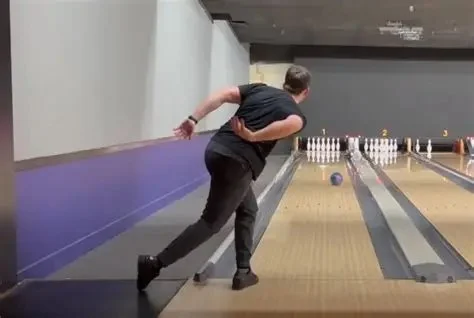
Professional bowling is not built on luck or occasional strikes—it is built on repeatable systems. When you watch elite players compete, what stands out is not just power, but precision, timing, and adaptability. The foundation of best bowling techniques used by professional players starts long before the ball reaches the lane.
Most advanced bowlers develop three core habits early: consistent stance alignment, controlled approach timing, and a release point that repeats under pressure. These may sound simple, but at a professional level, even a half-inch deviation can change pin carry dramatically.
At bowling centers like Southwestern Lanes, coaches often emphasize that beginners should focus less on strike chasing and more on repeatability. Once consistency is established, scoring naturally improves without forcing risky throws.

High Rollers Luxury Lanes & Sports Lounge
MASHANTUCKETSoutheastern Connecticut Planning RegionConnecticut
350 Trolley Line Blvd, MASHANTUCKET, CT 06338, USA
Strike Strategy: How Pro Players Create Consistent High Scores
Striking consistently is the signature of elite bowling. However, professionals don’t rely on throwing harder—they rely on controlling entry angle and ball reaction. One of the most important bowling strike strategies is targeting the pocket with a predictable hook path.
A common professional technique involves adjusting foot position rather than changing the arm swing. This allows bowlers to maintain rhythm while still adapting to lane changes. The key is understanding that the “perfect strike” is not a fixed location—it shifts depending on oil breakdown.
In a real tournament story from the PBA circuit, a player started with a strong front-nine strike run. When the lane transitioned, instead of switching balls immediately, he shifted his stance two boards left. That minor adjustment preserved his strike pattern and led to a 290+ game.
Spare Conversion Techniques That Separate Amateurs From Pros
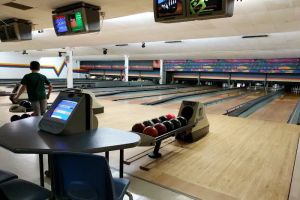
If strikes win games, spares win championships. Professionals treat every spare as non-negotiable. One of the most critical spare conversion techniques is the “line system,” where bowlers assign specific targeting boards for different pin combinations.
Instead of reacting emotionally after a missed strike, pros reset immediately and focus on geometry. For example, a 7-pin spare requires a completely different trajectory than a 10-pin, and professionals train these shots repeatedly until they become automatic.
Many coaches say that improving spare accuracy by just 10–15% can increase overall average scores by 20+ pins per game. That is the difference between casual and competitive performance.
Lane Reading: Oil Patterns, Adjustments, and Real Match Decisions
Lane reading is where professional bowlers truly separate themselves from recreational players. Oil patterns affect how the ball hooks, slides, and enters the pocket. Understanding this is essential for mastering advanced bowling techniques.
There are three key phases of lane transition: fresh oil, mid-game breakdown, and late-game friction. Each phase requires subtle adjustments. Professionals constantly observe ball motion rather than relying on instinct alone.
A well-known coaching insight from elite training sessions is: “Watch your ball’s exit point, not just the strike result.” This helps players understand whether adjustments are needed before scoring drops.
Ball Control, Release, and Accuracy in Competitive Bowling
Ball control is not about strength—it is about consistency in release mechanics. Professional players refine their grip pressure, wrist position, and follow-through to ensure repeatable motion.
One of the most important advanced bowling release techniques is maintaining a relaxed grip until the final moment. Tension in the hand can drastically reduce rotation quality and lead to inconsistent hook shapes.
Accuracy is also tied to tempo. Faster is not better. Many professionals maintain a steady four-step approach, ensuring timing alignment between footwork and swing arc.
At competitive venues like Southwestern Lanes, coaches often record players’ release angles to identify small inefficiencies that cause big scoring gaps over time.
Mental Game: Pressure, Routines, and Professional Mindset
The mental side of bowling is often underestimated. In professional environments, the ability to reset after a bad frame is as important as technical skill.
Elite players use structured routines between shots: stepping back, visualizing the target, and repeating a consistent breathing pattern. This reduces emotional interference and stabilizes performance under pressure.
One notable tournament story involved a player who missed two easy spares early but still finished strong because he stuck to his pre-shot routine without deviation. This demonstrates how mental discipline often outweighs momentary mistakes.
Real Match Example and Training Story From Professional Tournament Play
In a regional championship, a competitor started with average conditions but quickly faced lane breakdown that confused many players. While others changed balls repeatedly, one experienced bowler stayed with the same equipment and adjusted angles instead.
He gradually moved his starting position, tracked oil transition patterns, and maintained a consistent release. By the final frames, he had built momentum while others struggled to regain control.
This story highlights a key lesson: professional success is less about reacting emotionally and more about controlled adaptation.
Equipment Selection and How Pros Match Balls to Lane Conditions
Equipment choice is a major part of advanced bowling strategy. Professional players often carry multiple balls with different coverstocks and core designs.
A common strategy is to start with a stronger hooking ball on fresh oil and switch to a smoother ball as lanes dry out. This ensures consistent entry angles throughout the game.
Understanding ball surface adjustments—such as sanding or polishing—also plays a role in performance. Even minor surface changes can dramatically alter reaction on the lane.
How to Improve Faster and Train Like a Competitive Player
Improvement in bowling comes from structured repetition, not random practice. The most effective training approach focuses on isolating specific skills: strikes, spares, and lane reading separately.
One recommended method is “challenge frames,” where players simulate pressure situations during practice. This builds emotional resilience and improves decision-making under stress.
For players looking to take their game further, training resources and coaching insights available through Southwestern Lanes can provide structured development paths tailored to skill level.
Consistent training, combined with understanding the best bowling techniques used by professional players, can significantly elevate performance—even for recreational bowlers aiming to compete.





 Bowlero East Meadow4.0 (797 reviews)
 Tilted 104.0 (396 reviews)
 West Point FMWR Bowling Center4.0 (105 reviews)
 Bowlero Belleville4.0 (1958 reviews)
 Homefield Bowl4.0 (783 reviews)
 Larkfield Lanes4.0 (189 reviews)
 Tips for Bowling on Dry Lanes: How to Improve Your Game
 How to Find the Best Bowling Deals Near Me in the US
 Bowling Tips for Casual and Competitive Players: Improve Your Game Fast
 How to Practice Bowling at Home Without a Lane: Simple Training Tips
 How to Bowl a Spare Even When the Setup Looks Impossible
 How to Record Your Bowling Games for Self-Analysis