
Master Bowling at Home Without a Lane: Simple Training Tips
- 1-Understanding-the-Basics-of-Bowling
- 2-Setting-up-a-Home-Practice-Area
- 3-Bowling-Technique-Exercises
- 4-Improving-Accuracy-and-Consistency
- 5-Strength-and-Flexibility-Training
- 6-Real-Life-Success-Stories
- 7-Professional-Resources-and-Tools
1. Understanding the Basics of Bowling
Before practicing at home, familiarize yourself with fundamental bowling techniques. Key components include grip, stance, approach, and release. Mastering these basics allows effective training without a lane.

Phil Paterno's Pro Shop
Jefferson ValleyWestchester CountyNew York
3699 Hill Blvd, Jefferson Valley, NY 10535, USA
1.1 Grip and Stance
Ensure a comfortable finger placement and a balanced stance. Correct grip reduces strain and improves ball control.
Bowlero Wallingford
WallingfordSouth Central Connecticut Planning RegionConnecticut
980 N Colony Rd, Wallingford, CT 06492, USA
1.2 Approach and Release
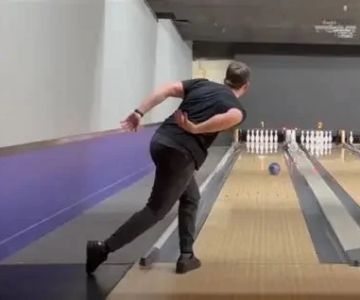
Practice smooth steps and consistent release angles. Even without a lane, focusing on motion and rhythm enhances muscle memory.
2. Setting Up a Home Practice Area
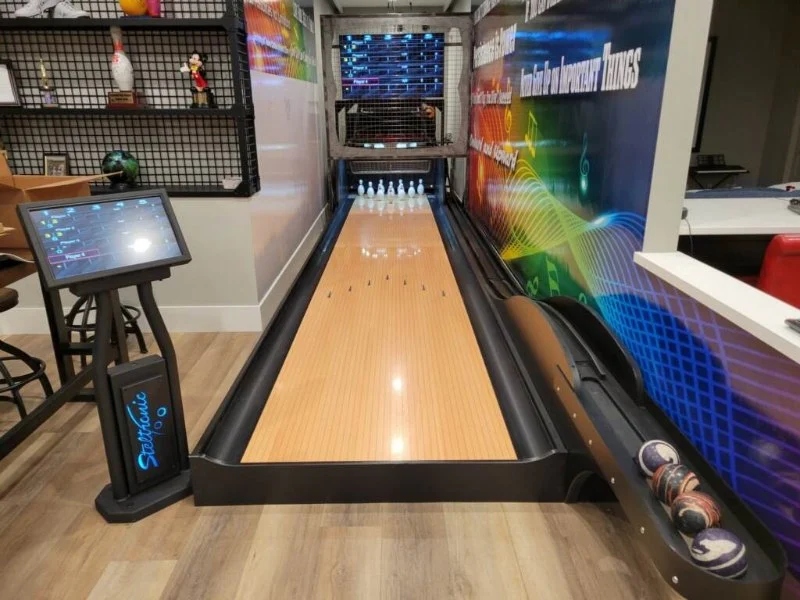
Create a safe, open space for practicing bowling movements. Use lightweight balls, cones, or improvised targets to simulate pins.
2.1 Space Considerations
A clear area of 6–10 feet allows full approach and swing motion. Ensure no obstacles or fragile items nearby.
2.2 Target Substitutes
Use cups, bottles, or taped markers as targets to develop aim and accuracy.
3. Bowling Technique Exercises
Exercises without a lane can refine specific bowling skills.
3.1 Swing Drills
Practice pendulum swings and controlled releases. Focus on consistency in timing and follow-through.
3.2 Footwork Drills
Simulate the four-step approach on carpet or wooden floor to improve rhythm and balance.
4. Improving Accuracy and Consistency
Use repetitive drills to enhance targeting and muscle memory.
4.1 Alignment Practice
Mark lines on the floor and practice aligning your stance and swing with targets. Consistency develops precision.
4.2 Video Feedback
Record practice sessions to evaluate posture, release, and approach, allowing for incremental improvements.
5. Strength and Flexibility Training
Supplement bowling skills with exercises that improve endurance, balance, and arm strength.
5.1 Core Strength
Planks, squats, and stability exercises enhance balance and stability during approach and release.
5.2 Arm and Shoulder Conditioning
Light weight training or resistance bands strengthen the muscles used in ball control and release.
6. Real-Life Success Stories
Practicing at home has helped bowlers of all levels improve performance.
6.1 Beginner Improvement
A recreational bowler in Texas practiced footwork and swing drills daily at home. Within a month, average scores increased by 30 points, demonstrating the effectiveness of structured home practice.
6.2 Competitive Training
A college bowler used improvised home setups to refine release technique during off-season. The practice resulted in improved tournament performance and consistency on actual lanes.
7. Professional Resources and Tools
For expert guidance, bowling drills, and recommended training tools, platforms like Southwestern Lanes provide curated advice and resources for home and professional practice.
By following these simple training tips, you can effectively practice bowling at home without a lane, improving accuracy, technique, and consistency. For equipment recommendations, drills, and expert guidance, visit Southwestern Lanes to elevate your bowling practice and results.



 Bowlero East Meadow4.0 (797 reviews)
 Tilted 104.0 (396 reviews)
 West Point FMWR Bowling Center4.0 (105 reviews)
 Bowlero Belleville4.0 (1958 reviews)
 Homefield Bowl4.0 (783 reviews)
 Larkfield Lanes4.0 (189 reviews)
 Tips for Bowling on Dry Lanes: How to Improve Your Game
 How to Find the Best Bowling Deals Near Me in the US
 Bowling Tips for Casual and Competitive Players: Improve Your Game Fast
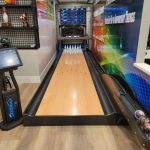 How to Practice Bowling at Home Without a Lane: Simple Training Tips
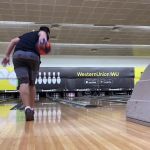 How to Bowl a Spare Even When the Setup Looks Impossible
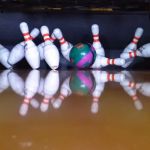 How to Record Your Bowling Games for Self-Analysis