
- - Why More Practice Is Not Always Better
- - Understanding the Biggest Score Improvement Factors
- - Building a Smarter Practice Approach
- - Improving Footwork Without Endless Games
- - Mastering Consistency Through Simple Routines
- - The Power of Target-Focused Bowling
- - Mental Skills That Save Energy
- - Equipment Adjustments That Create Results
- - Learning From Real Bowlers
- - Creating a Sustainable Improvement Plan
- - Common Mistakes That Cause Practice Overload
- - Turning Small Wins Into Higher Scores
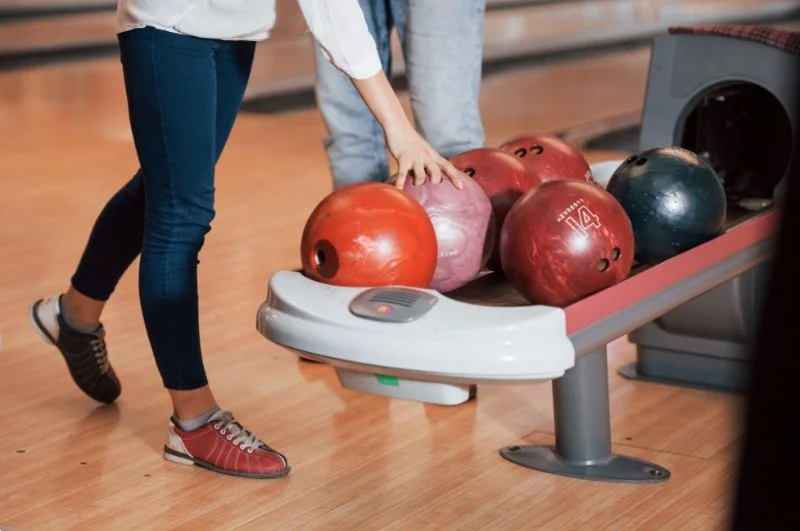
Why More Practice Is Not Always Better
Many bowlers believe that improvement comes from spending countless hours at the bowling alley. While repetition certainly has value, there is a point where additional practice produces smaller and smaller returns. In fact, excessive practice can sometimes create bad habits, physical fatigue, and mental burnout.
The concept behind "Bowling Tips That Help You Improve Without Practice Overload" is simple: quality beats quantity. Professional athletes in nearly every sport have learned that focused practice sessions often produce better results than marathon training sessions.
Consider a recreational bowler who rolls six games every weekend. If that bowler repeats the same mistakes in all six games, they are essentially reinforcing poor mechanics. Compare that to someone who plays only two games but carefully analyzes each shot, adjusts their approach, and focuses on a specific skill. The second bowler often improves faster.
This principle applies to bowling because success depends heavily on precision, consistency, and decision-making rather than pure physical endurance.

Dave & Buster's Manchester
ManchesterCapitol Planning RegionConnecticut
100 Buckland Hills Dr, Manchester, CT 06042, USA
Understanding the Biggest Score Improvement Factors
One of the most surprising discoveries for many bowlers is that score improvement rarely comes from dramatic changes. Instead, it usually comes from improving several small areas simultaneously.

1. Shot Consistency
Consistently hitting the same target is often more valuable than throwing the ball harder. A bowler who repeatedly reaches the intended board will usually outperform someone who generates more power but lacks control.
2. Spare Conversion
League statistics frequently show that spare shooting separates average bowlers from strong bowlers. Improving spare conversion rates by just a few percentage points can significantly increase average scores.
3. Mental Focus
Bowling is a game of adjustments. Players who remain calm after a bad frame often recover quickly and avoid the large score drops that come from frustration.
4. Physical Balance
Good balance at the foul line promotes accuracy and repeatability. Many bowlers mistakenly focus only on arm swing while ignoring lower-body stability.
Understanding these factors allows bowlers to direct their energy toward high-impact improvements instead of endless practice sessions.
Building a Smarter Practice Approach
A smarter approach starts by defining a specific objective before every practice session.
Focus on One Skill at a Time
Rather than attempting to improve everything simultaneously, dedicate each session to a single skill.
Examples include:
Improving spare shooting, refining timing, strengthening balance, adjusting release mechanics, or reading lane conditions.
By concentrating on one area, the brain processes feedback more effectively and creates stronger motor patterns.
Use Structured Sessions
A focused 45-minute session often delivers more value than several hours of unfocused bowling.
A practical structure might include:
- Five minutes of warm-up shots.
- Fifteen minutes of target practice.
- Fifteen minutes of spare shooting.
- Ten minutes of review and adjustment.
This method prevents fatigue while maximizing learning.
Improving Footwork Without Endless Games
Many bowlers underestimate the importance of footwork. The approach influences timing, balance, accuracy, and power.
Practice Without Throwing
One highly effective drill involves walking through the bowling approach without releasing a ball. This allows bowlers to focus entirely on movement mechanics.
Elite coaches often use this technique because it removes distractions and isolates the lower-body movement pattern.
Use Video Analysis
Modern smartphones make self-analysis easier than ever. Recording a few approach sequences can reveal issues that remain invisible during normal play.
Common findings include:
- Inconsistent step length.
- Poor posture.
- Early shoulder rotation.
- Loss of balance during the slide.
Correcting these issues often leads to immediate score improvements.
Mastering Consistency Through Simple Routines
Consistency is one of the most important skills in bowling, and it does not require excessive practice to develop.
Create a Repeatable Pre-Shot Routine
A routine acts as a mental anchor. It prepares the body and mind to execute the same motion repeatedly.
A simple routine might include:
- Selecting a target.
- Taking a deep breath.
- Visualizing the ball path.
- Beginning the approach.
Many successful bowlers use nearly identical routines before every delivery.
Reduce Unnecessary Variables
Consistency improves when bowlers eliminate avoidable changes. Standing in the same starting position and maintaining the same setup helps create predictable results.
The Power of Target-Focused Bowling
One of the most effective bowling tips for improvement involves shifting attention from the pins to the lane arrows.
Why Targets Matter
The pins are sixty feet away, while lane arrows are much closer. Focusing on a closer target improves visual accuracy.
Experienced bowlers rarely stare directly at the pins during delivery. Instead, they use reference points along the lane.
Train Precision Rather Than Power
A common mistake among beginners is chasing ball speed. While speed has value, accuracy usually produces greater scoring gains.
Imagine two bowlers:
The first throws eighteen miles per hour but misses the intended target repeatedly. The second throws sixteen miles per hour yet consistently hits the mark. Over time, the second bowler will typically score higher.
Mental Skills That Save Energy
Bowling improvement is not entirely physical. Mental skills often determine how effectively a player performs under pressure.
Control Emotional Reactions
Every bowler experiences bad breaks. A perfect shot sometimes leaves a difficult spare.
The strongest competitors accept these moments without frustration. Emotional control conserves energy and maintains focus.
Use Frame-by-Frame Thinking
Instead of worrying about final scores, concentrate on the current frame.
This approach reduces anxiety and prevents distractions from affecting performance.
Visualize Success
Sports psychology research consistently demonstrates the benefits of visualization.
Before each shot, imagine the ball traveling through the desired path and striking the pocket cleanly. This simple technique strengthens confidence and execution.
Equipment Adjustments That Create Results
Improvement does not always require more practice. Sometimes it requires better equipment decisions.
Ensure Proper Ball Fit
A poorly fitted bowling ball can create unnecessary strain and inconsistency.
Signs of poor fit include:
- Finger discomfort.
- Thumb sticking.
- Grip pressure.
- Inconsistent release.
Working with a professional ball driller can produce dramatic improvements.
Maintain Your Equipment
Oil accumulation affects ball performance. Regular cleaning helps preserve reaction consistency.
Many bowlers experience noticeable improvements simply by maintaining equipment properly.
Match Equipment to Skill Level
Advanced bowling balls offer impressive hook potential, but they are not always ideal for beginners.
Selecting equipment appropriate to current skill level often accelerates learning.
Many recreational bowlers visit Southwestern Lanes or similar bowling centers to receive guidance on equipment selection, lane conditions, and training recommendations.
Learning From Real Bowlers
Real-world examples illustrate how smart improvement strategies outperform practice overload.
Case Study: Michael's Experience
Michael, a league bowler from Arizona, spent nearly every Saturday rolling eight to ten games. Despite his commitment, his average remained around 165.
After consulting with experienced bowlers, he changed his approach. Instead of playing ten games, he focused on two highly structured games dedicated to spare shooting.
Within four months, his average climbed above 180.
The key lesson was not increased practice volume but improved practice quality.
Case Study: Sarah's Journey
Sarah struggled with consistency despite practicing multiple times per week.
Video analysis revealed timing issues during her approach. By spending fifteen minutes weekly reviewing recordings and performing footwork drills, she improved dramatically.
Her strike percentage increased even though her overall practice time decreased.
Creating a Sustainable Improvement Plan
Sustainable progress requires realistic expectations.
Set Monthly Goals
Instead of chasing dramatic score increases, focus on measurable objectives.
Examples:
- Increase spare conversion rate by 5%.
- Reduce split frequency.
- Improve balance at the foul line.
- Maintain a consistent pre-shot routine.
Track Performance Metrics
Keeping records helps identify patterns and measure progress objectively.
Useful statistics include:
- First-ball accuracy.
- Spare percentage.
- Strike percentage.
- Average score.
- Split conversions.
Tracking these metrics often reveals opportunities that casual observation misses.
Schedule Recovery Time
Improvement occurs when the body and mind process new skills. Recovery periods are essential components of effective training.
A balanced schedule prevents burnout while maintaining enthusiasm for the game.
Common Mistakes That Cause Practice Overload
Many bowlers unintentionally slow their progress through ineffective habits.
Practicing Without a Goal
Simply rolling games without a purpose rarely produces substantial improvement.
Ignoring Fundamentals
Players sometimes focus on advanced techniques before mastering basic mechanics.
Strong fundamentals remain the foundation of long-term success.
Changing Too Many Things at Once
Adjusting stance, release, footwork, and targeting simultaneously makes it difficult to identify which changes are helping.
Successful bowlers introduce adjustments gradually.
Comparing Progress Excessively
Every bowler develops at a different pace. Comparing your scores to others can create unnecessary pressure.
Focus on personal improvement instead.
Turning Small Wins Into Higher Scores
The most successful bowlers understand that improvement is often the result of many small victories rather than one dramatic breakthrough.
A slightly more accurate release, a more reliable spare system, improved balance, and stronger mental discipline may each seem insignificant on their own. Combined together, however, they can transform scoring performance over time.
The philosophy behind Bowling Tips That Help You Improve Without Practice Overload is not about avoiding work. It is about directing effort where it matters most. Strategic practice, thoughtful analysis, and consistent habits frequently outperform endless hours on the lanes.
For bowlers seeking additional guidance, training opportunities, equipment advice, or local bowling resources, Southwestern Lanes can be a valuable place to continue developing skills while maintaining a healthy balance between improvement and enjoyment.
Remember that bowling is a lifelong sport. The goal is not simply to practice more—it is to practice smarter. When each session has a purpose, every frame becomes an opportunity to improve, and steady progress becomes both achievable and sustainable.




 Spare Time Vernon4.0 (1660 reviews)
 T-Squared Social4.0 (322 reviews)
 Spare Time Windsor Locks4.0 (1751 reviews)
 B1 Strike Bowling and Games3.0 (63 reviews)
 Bar-Don Lanes4.0 (498 reviews)
 Lessard Lanes4.0 (600 reviews)
 Cheap Bowling Nights Near Me: Best Deals and Discounts Guide
 Cheap Bowling Deals in Phoenix for Students, Families, and Weekend Fun
 How to Bowl Consistently High Scores Every Game
 Top Bowling Alleys Near Me for Date Nights and Social Events
 How to Improve Bowling Accuracy Fast: Best Tips for Beginners and Casual Players
 Why Your Ball Needs Polishing Regularly