
- 1. The Importance of Ball Polishing
- 2. How Polishing Impacts Performance
- 3. Common Signs Your Ball Needs Polishing
- 4. How to Properly Polish Your Ball
- 5. Real-Life Examples of Ball Polishing Success
1. The Importance of Ball Polishing
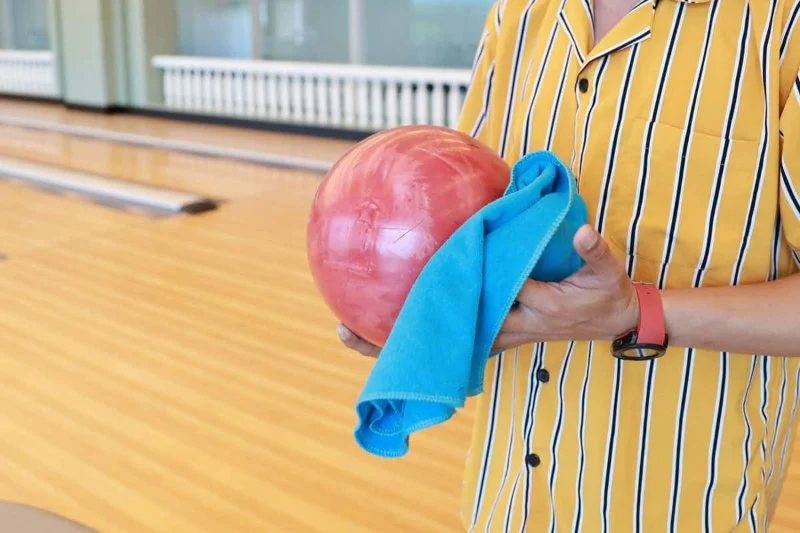
Regularly polishing your ball is a crucial part of maintenance that helps improve its performance and longevity. Whether you are using a bowling ball or any other type of ball, polishing removes dirt, oil, and grime that can build up during use. Over time, these residues can affect the ball’s effectiveness, leading to reduced grip and less desirable results.
For sports like bowling, ball polishing ensures that the ball retains its original sheen and smoothness. This helps maintain optimal friction between the ball and the surface, which is essential for controlled, accurate throws. In addition, a well-maintained ball can last longer, saving you the expense of frequent replacements.

Port Jeff Bowl
Port Jefferson StationSuffolk CountyNew York
31 Chereb Ln, Port Jefferson Station, NY 11776, USA
2. How Polishing Impacts Performance
Polishing your ball isn’t just about appearance; it has a direct impact on its performance. Here’s how regular polishing affects key factors:

Lucky Strike Feasterville
FeastervilleBucks CountyPennsylvania
100 E Street Rd, Feasterville, PA 19053, USA
1. Improved Grip
The smoother and shinier surface of a polished ball increases friction between the ball and the surface it comes into contact with. For bowling balls, this is especially important, as it gives you better control over your throws. A rough ball surface can reduce the effectiveness of your grip, making your shots less accurate and predictable.
2. Enhanced Longevity
When you regularly polish your ball, you’re helping protect its surface from scratches, scuff marks, and excessive wear. The polishing process removes minor imperfections, preserving the integrity of the ball. This can extend its lifespan and ensure that it performs at its best for longer.
3. Smoothness for Optimal Play
Polishing helps maintain the smoothness of the ball, reducing the buildup of oils and debris that can accumulate over time. This contributes to a cleaner ball, resulting in more consistent performance. A polished surface allows for better movement, more consistent bounce, and greater reliability during gameplay.
3. Common Signs Your Ball Needs Polishing
Not sure if your ball needs polishing? Here are some common signs that it’s time to give it a good polish:
1. Loss of Shine
If your ball looks dull or has lost its glossy shine, it’s probably time for a polish. The shine is a sign that the surface is smooth and intact, so when it starts to fade, it may indicate that dirt and oil have taken their toll.
2. Visible Oil Buildup
Oil buildup on the surface of your ball is a telltale sign that it needs cleaning and polishing. Over time, oils from the lanes or the ball itself can accumulate, reducing the grip and performance of the ball. Polishing helps remove this buildup and restore the ball’s functionality.
3. Reduced Friction
If you notice that your ball isn’t hooking or curving as it should, or it’s sliding more than expected, it could be due to a lack of friction caused by an unpolished surface. Regular polishing can help re-establish the grip, leading to better control and movement.
4. How to Properly Polish Your Ball
Polishing your ball isn’t difficult, but it’s important to follow the correct steps to ensure the best results. Here’s how to polish your ball properly:
1. Clean the Ball First
Before polishing, clean your ball thoroughly using a microfiber cloth or a cleaning solution designed for balls. This will remove any dirt, oil, or grime on the surface that could interfere with the polishing process.
2. Choose the Right Polish
There are various types of polishes available, each designed for different types of balls and desired finishes. For bowling balls, choose a polish specifically made for that purpose. Some polishes provide a glossy finish, while others are more matte. Pick one that matches the desired effect for your game.
3. Apply Polish Evenly
Using a clean, soft cloth, apply the polish in small amounts, working it evenly into the surface of the ball. Make sure to follow the manufacturer’s instructions for the best results. Work in circular motions to avoid uneven application.
4. Buff the Ball
After the polish has been applied, buff the ball with a separate microfiber cloth. This step helps spread the polish evenly and ensures that the surface shines. Make sure to remove any excess polish to avoid sticky residues.
5. Dry the Ball
Let the ball dry for a few minutes before use. This allows the polish to set properly, providing a smooth, shiny surface ready for performance.
5. Real-Life Examples of Ball Polishing Success
Many players have experienced the benefits of regular ball polishing. One avid bowler in Texas noticed a significant improvement in their game after polishing their ball. The increased grip and smoothness allowed for more precise control, resulting in a personal best score. They now make it a habit to polish their ball before each game, ensuring consistent performance.
Another case involved a competitive tennis player who regularly polishes their tennis ball to maintain optimal speed and bounce. After seeing a dip in performance during a tournament, they decided to polish their ball, which resulted in improved consistency and control during matches. The polishing process gave their ball a more responsive surface, making it easier to execute powerful shots.
These real-life examples highlight how effective regular ball polishing can be in enhancing performance, whether you’re bowling, playing tennis, or engaging in any other ball sports.
If you’re looking for the best products or advice on ball care, visit Southwestern Lanes for the latest ball polishing products and expert tips on keeping your equipment in top shape.


 New North Arlington Bowl4.0 (696 reviews)
 T-Squared Social4.0 (322 reviews)
 Playdrome Toms River4.0 (628 reviews)
 Majestic Lanes Bowling Alley4.0 (901 reviews)
 Lessard Lanes4.0 (600 reviews)
 Devon Duckpin Bowling Lanes3.0 (16 reviews)
 How to Prepare for Your First Bowling Tournament
 Best Bowling Techniques for Higher Scores and Better Control
 How to Track Your Bowling Progress and Improve Over Time
 Why Some Bowlers Prefer Two-Finger Grips
 Best Ways to Teach Children Proper Bowling Form
 Bowling Tips for Beginners Who Want Better Results Fast