
Clean a Bowling Ball at the Alley: Towels, Products, and Timing
On this page
- Quick answer
- Inspect before cleaning
- Use a clean dry towel during play
- Verify every cleaning product
- Check competition timing rules
- A controlled after-session method
- Keep liquid out of holes and inserts
- Shared and house balls
- Dry, pack, and store
- Cleaning checklist
- Important limitations
- Evidence notes
- FAQ
- Next steps
Quick answer
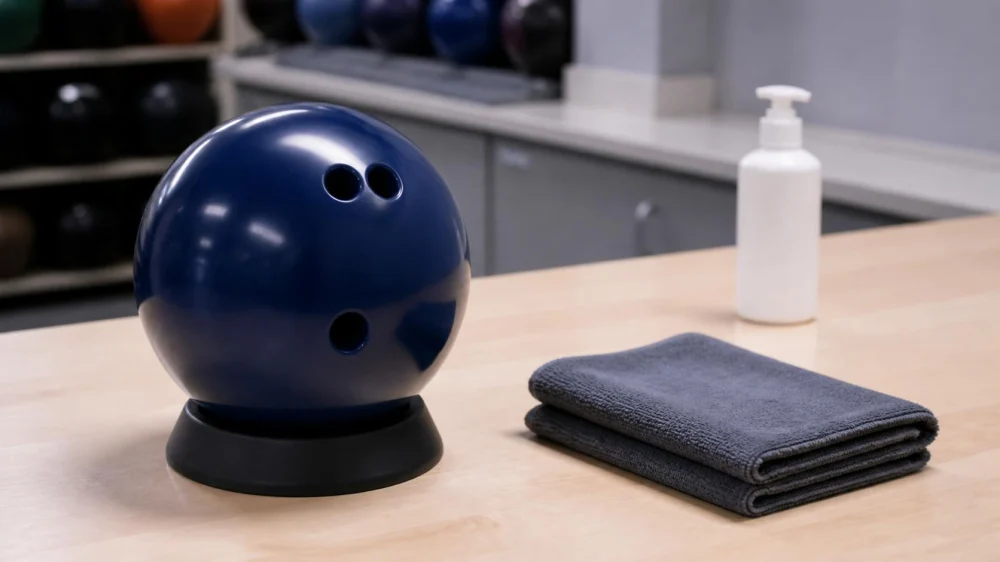
During casual play, use a clean, dry, lint-free towel to remove visible lane oil from your own ball when the center allows it. Before using any liquid, wipe, polish, abrasive, or resurfacing tool, check the ball manufacturer's instructions and the rules for your league or event. Use only products approved for that competition and only at permitted times.
Never spray over the approach, ball return, scoring area, or another person's equipment. Move to an approved service or cleaning area, use a small amount on the towel when directed, and dry the ball fully before it returns to the rack.

High Lane Club
North HavenSouth Central Connecticut Planning RegionConnecticut
40 High Ln #4413, North Haven, CT 06473, USA
Inspect before cleaning
Identify the ball, coverstock, finish, inserts, interchangeable parts, and warranty instructions. Look for cracks, chips, deep gouges, loose inserts, raised material, or an unusual sound. Cleaning does not repair structural damage.
If the ball is damaged, remove it from play and ask the pro shop or event official to inspect it. Do not sand, polish, drill, heat, or fill damage at the lane.
Summit Lanes
Pocono SummitMonroe CountyPennsylvania
5357 Development Pk Dr, Pocono Summit, PA 18346, USA
Use a clean dry towel during play
A dedicated microfiber or leather shammy can lift surface oil without adding a chemical. Keep it dry, free of grit, and separate from shoe towels, food napkins, and household cleaning cloths. Wipe the ball while it is secure in your hands or on an approved stable surface, not while it moves on the return.
Rotate the ball slowly and avoid forcing fingers into the holes while wiping. If the towel drops onto a dirty or wet floor, replace or clean it before using it again.
Verify every cleaning product
Do not assume a household cleaner, solvent, disinfectant, alcohol mixture, polish, or internet recipe is safe for the coverstock or legal in competition. It may soften, dry, stain, or alter the surface, leave residue, affect inserts, or violate a rule.
For USBC-certified competition, check the current USBC approved cleaners and polishes list, the product label, and event rules. Lists change, so verify the exact product name and current status rather than relying on an old screenshot.
Check competition timing rules
Leagues and tournaments may define when competition begins and ends, when a ball surface may be changed, which cleaners are allowed, and what an official may authorize for unusual contamination. Ask before applying any product or abrasive after practice starts.
A dry towel and a chemical cleaner are not automatically treated the same. If a ball picks up foreign material from the center, stop and show the official or staff member before trying to remove it.
A controlled after-session method
- Move to the center's approved cleaning area or wait until home.
- Wash and dry your hands.
- Set the ball in a stable cup or holder.
- Apply the approved product exactly as its label directs.
- Use a clean towel and work one small section at a time.
- Keep liquid away from holes, inserts, labels, and interchangeable mechanisms.
- Buff or wipe residue only as directed.
- Let the ball dry completely and inspect it before packing.
Keep liquid out of holes and inserts
Cleaner inside finger or thumb holes can contact skin, loosen tape or adhesive, swell materials, or affect replaceable components. Apply product to the towel rather than directly to the ball when the label and manufacturer permit that method.
For deep cleaning, oil extraction, resurfacing, insert work, or persistent odour, use a qualified pro shop. Uncontrolled heat or soaking can damage a ball and may affect warranty or compliance.
Shared and house balls
Do not apply your own cleaner, polish, tape, or abrasive to a house ball without staff permission. The center controls its equipment and cleaning process. For hand hygiene, wash with soap and water after play and before eating; keep fingers away from the face during a game.
If a house ball is sticky, wet, visibly soiled, or damaged, place it where staff directs and ask for another ball. Do not return a contaminated ball to general circulation.
Dry, pack, and store
Use a clean ball cup while drying and keep the surface away from concrete, grit, extreme heat, and direct sun. Pack the ball only when the cover and holes are dry. Keep damp towels in a separate breathable compartment and wash them according to their care instructions.
Store the ball within the maker's temperature guidance and inspect it before the next session. A clean ball should still be checked for damage and fit.
Cleaning checklist
- Ball condition and manufacturer instructions checked.
- League or tournament timing rules confirmed.
- Exact cleaner appears on the current approved list when required.
- Dedicated towel is clean, dry, and grit-free.
- Cleaning happens away from the approach and ball return.
- Holes, inserts, and mechanisms stay dry.
- Ball is fully dry and inspected before use or storage.
Important limitations
This is general U.S. bowling-equipment guidance, not a substitute for current USBC, league, tournament, manufacturer, center, or warranty rules. Coverstocks, finishes, inserts, products, and permitted timing vary. Ask an event official or qualified pro shop when uncertain.
Evidence notes
USBC maintains current playing rules and an equipment-specification program that evaluates products affecting the scoring environment. Its athlete resources link to a current approved cleaner and polish list, which was updated in 2026 during this review. That supports verifying both the exact product and the event timing before chemical cleaning.
FAQ
Can I wipe oil off between shots?
Use a clean dry towel only when permitted by the rules and without delaying play.
Can I use rubbing alcohol?
Do not assume so; check the ball maker, product rules, and current competition list.
May I spray cleaner directly on the ball?
Follow the label; applying to a towel often reduces overspray and liquid entering holes.
Can I clean a house ball myself?
Ask center staff and follow their equipment process.
What if something sticky transfers from the lane?
Stop and show staff or an event official before altering the ball.
When should I visit a pro shop?
For damage, deep cleaning, oil extraction, resurfacing, inserts, or uncertain products.
Next steps
Pack two clean dry towels, locate the current rules and approved-product list, and inspect the ball before play. Save chemical cleaning for the permitted time and an appropriate area, then dry and inspect the ball before storage.




 Norwich Bowling & Entertainment Center4.0 (503 reviews)
 Bowlero Norwalk4.0 (1345 reviews)
 Whitestone Pro Shop4.0 (12 reviews)
 Pro Shop Services Professional Bowling Instruction & Supplies5.0 (2 reviews)
 Round1 Bowling & Arcade Exton Square3.0 (1000 reviews)
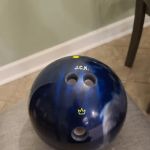 Bilinskas Brothers Bowling Shop4.0 (29 reviews)
 How to Bowl a Spare Even When the Setup Looks Impossible
 Top Bowling Centers in Nashville for Music, Fun, and Bowling Experiences
 Cheap Bowling Near Me for Date Night, Family Fun, and Weekend Activities Guide
 Why Bowling Is Making a Comeback Among Young Adults
 Best Bowling Balls for League Players Seeking Consistent Performance
 Bowling Tournament Check-In: Roster, Gear, and Timing