
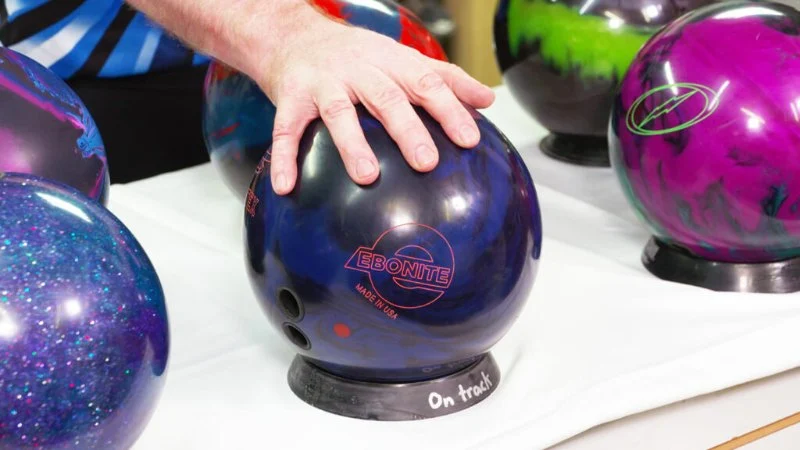
Mastering Lane Conditions: How to Choose a Bowling Ball That Actually Matches the Oil Pattern
- Understanding Lane Conditions and Oil Patterns - #lane-conditions-basics
- Choosing the Right Bowling Ball Coverstock - #coverstock-selection
- How Core Design Affects Ball Reaction - #core-design-impact
- Dry, Medium, and Heavy Oil Lane Strategies - #lane-types-strategy
- Real Bowling Scenarios and Player Adjustments - #real-bowling-stories
- Common Mistakes Bowlers Make When Choosing Equipment - #common-mistakes
- Pro-Level Tips and Guidance from Southwestern Lanes - #southwestern-lanes-tips
Understanding Lane Conditions Before Choosing Any Bowling Ball
When players search for How to Choose a Bowling Ball Based on Lane Conditions, they are usually trying to solve one frustrating problem: their ball behaves completely differently depending on the alley they play on.
Lane conditions are mainly determined by oil patterns applied to the surface. This oil is not random—it controls ball speed, hook potential, and overall reaction. Without understanding it, even the most expensive bowling ball can feel inconsistent.
A league bowler in Ohio once described switching from his home alley to a tournament center and suddenly missing spares he could normally hit easily. The issue wasn’t skill—it was completely different lane conditions.
Understanding these conditions is the foundation of improving consistency and scoring higher.
Choosing the Right Bowling Ball Coverstock for Maximum Control
One of the most important steps in How to Choose a Bowling Ball Based on Lane Conditions is selecting the right coverstock. The outer surface of the ball determines how much friction it creates with the lane.
Plastic (polyester) balls are typically used for straight shots and spare shooting because they produce minimal hook. These are ideal for extremely dry lanes where too much friction can cause early hooking.
Urethane balls offer more control and a smoother arc, making them useful on lighter oil patterns where predictability matters more than aggressive hook potential.
Reactive resin balls are the most popular among competitive bowlers because they create strong backend motion, especially on medium to heavy oil lanes.
At Southwestern Lanes, many instructors emphasize that coverstock choice alone can dramatically change performance more than technique adjustments.

How Bowling Ball Core Design Changes Your Game on Different Lanes
Beyond surface material, core design plays a huge role in How to Choose a Bowling Ball Based on Lane Conditions.
Symmetrical cores produce smoother, more predictable motion, making them ideal for beginners or medium oil conditions.
Asymmetrical cores create stronger hook potential and sharper backend reactions, which are preferred in competitive play on heavy oil patterns.
A traveling tournament player once shared how switching from a symmetrical to an asymmetrical core helped him adjust to challenging professional lanes in Texas where oil distribution changes quickly throughout the game.
The key takeaway is that core shape determines motion stability, while coverstock determines friction.
Adjusting Your Ball Choice Based on Dry, Medium, and Heavy Oil Lanes
Dry lanes require a controlled approach because excessive hook can lead to unpredictable strikes. In this situation, plastic or polished urethane balls are often best.
Medium oil lanes are considered the “standard” playing field, where reactive resin balls perform at their best, offering balanced hook and control.
Heavy oil lanes demand high-friction equipment. Players often use aggressive reactive resin balls with strong cores to maintain lane grip and backend reaction.
A youth bowling coach in Florida once explained that teaching players lane recognition is more important than teaching spin techniques alone.
This is where understanding How to Choose a Bowling Ball Based on Lane Conditions becomes a game-changing skill rather than just equipment knowledge.
Real Bowling Experiences That Show Why Lane Reading Matters
Many bowlers only fully understand How to Choose a Bowling Ball Based on Lane Conditions after experiencing real competition situations.
One recreational bowler in Michigan reported consistently scoring well at his home alley but struggling at regional tournaments. After analysis, the issue was lane oil breakdown differences between centers.
Another league player discovered that her ball performed differently in the first game versus the third game because oil patterns gradually break down with repeated throws.
A coach at Southwestern Lanes often reminds players that “no two lanes play the same after 20 frames,” which highlights why adaptability matters more than having a single favorite ball.
These experiences show that equipment selection is not static—it evolves with conditions.
Common Mistakes Bowlers Make When Selecting Equipment for Lane Conditions
A frequent mistake in How to Choose a Bowling Ball Based on Lane Conditions is relying on one ball for every situation. While comfort matters, versatility matters more.
Another issue is ignoring lane transition. As oil patterns break down during play, a ball that worked in frame one may become too aggressive by frame ten.
Some players also focus only on hook potential without considering control. Excessive hook on dry lanes often leads to missed spares rather than strikes.
At Southwestern Lanes, coaches often correct this by teaching bowlers to build a “ball arsenal” instead of relying on a single solution.
Understanding equipment diversity leads to better adaptability and higher scoring consistency.
Professional Insights and Practical Guidance from Southwestern Lanes
When learning How to Choose a Bowling Ball Based on Lane Conditions, professional guidance can shorten the learning curve significantly.
At Southwestern Lanes, instructors focus on reading lane patterns before every session. They encourage bowlers to observe ball skid distance, hook timing, and pin reaction before adjusting equipment.
A common teaching method involves starting with a medium oil ball and then adjusting based on observed lane behavior rather than guessing from the start.
Another key insight is that mental adaptability is just as important as physical technique. Bowlers who stay flexible tend to outperform those who rely strictly on equipment expectations.
Ultimately, success comes from combining knowledge of lane conditions, ball technology, and real-time adjustment skills.
 Bowler X Pro Shop4.0 (45 reviews)
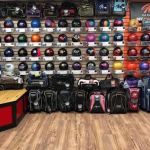 MMC Premier Pro Shop4.0 (56 reviews)
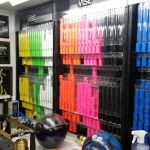 Strike Zone Bowling Pro Shop4.0 (6 reviews)
 Round1 Bowling & Arcade Exton Square3.0 (1000 reviews)
 Brooklyn Bowl4.0 (3837 reviews)
 Chacko's Family Bowling Center4.0 (1546 reviews)
 How to Throw a Bowling Ball More Smoothly
 Why Consistent Timing Produces Better Shots
 Best Bowling Shoes for Comfort and Performance in the US
 How to Bowl Better Under Pressure
 Best Bowling Alley Tips for League Bowlers
 Why Ball Layout Changes Hook Shape Dramatically