
- Understanding What a Perfect Game Really Means
- Building a Repeatable Bowling Foundation
- Mastering the Approach and Footwork
- Why Professional Bowlers Focus on Targets, Not Pins
- The Secret Behind Pocket Hits and Strike Carry
- Reading Lane Conditions Like a Pro
- Mental Toughness During High-Pressure Frames
- Practice Drills That Actually Improve Scores
- Equipment Selection and Ball Maintenance
- Real Stories from Professional Bowlers
- Mistakes That Prevent Most Bowlers from Reaching 300
- How to Create Your Own Perfect Game Routine
Understanding What a Perfect Game Really Means
Every bowler dreams about hearing the sound of twelve consecutive strikes crashing through the pins. In bowling, a perfect game means scoring 300 points by throwing strikes in every frame, including the bonus shots in the tenth frame. While it sounds straightforward, experienced players know that achieving perfection requires precision, consistency, emotional control, and preparation.
Many casual bowlers assume professional athletes regularly bowl 300 games. The truth is much different. Even elite players can go months without bowling a perfect game during official competition. Lane conditions change, oil patterns shift, and pressure increases dramatically once the first few strikes are recorded.
One of the biggest misconceptions about how to bowl a perfect game is believing that power alone creates strikes. Speed certainly matters, but professional bowlers repeatedly emphasize accuracy, timing, and repeatable mechanics over raw force.
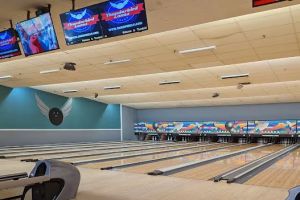
Thunderbird Lanes - Holme Ave.
PhiladelphiaPhiladelphia CountyPennsylvania
3075 Holme Ave, Philadelphia, PA 19136, USA
Why Consistency Matters More Than Power
A bowler throwing the ball at 15 miles per hour with perfect accuracy often performs better than someone throwing 20 miles per hour inconsistently. Modern bowling rewards control. The ideal strike comes from entering the pocket at the correct angle, allowing the pins to scatter efficiently.
Professional coaches often describe bowling as a game of repetition. Every shot should feel nearly identical:

1. Consistent Foot Placement
Starting in the same position creates muscle memory. Professionals carefully mark their alignment using dots and boards on the approach.
2. Stable Arm Swing
The swing should remain relaxed and smooth. Forced movements usually reduce accuracy.
3. Predictable Ball Release
The release determines ball motion. A slight change in wrist position can dramatically alter hook potential.
At training centers like Southwestern Lanes, bowlers often improve faster when they focus on small repeatable movements instead of chasing higher ball speed immediately.
Building a Repeatable Bowling Foundation
The foundation of elite bowling starts before the ball even leaves your hand. Professional bowlers build routines that remove unnecessary variables from every shot.
Proper Stance Fundamentals
Your stance controls balance throughout the approach. A poor setup forces compensations later in the shot.
Balanced Starting Position
Most professionals keep their knees slightly bent and shoulders relaxed. The ball should remain close to the body to avoid unnecessary tension.
Eye Focus
One fascinating detail shared by many professional bowlers is that they rarely stare directly at the pins. Instead, they focus on arrows or boards farther down the lane.
Creating a Repeatable Pre-Shot Routine
Watch televised professional bowling events closely and you will notice players repeating the same habits before every shot. Some wipe the ball twice. Others take a deep breath or visualize the ball path.
This routine helps eliminate distractions and builds mental confidence.
A strong pre-shot routine may include:
1. Cleaning the Bowling Ball
Oil buildup affects ball reaction significantly.
2. Visualizing the Shot Shape
Elite bowlers mentally picture the exact trajectory before stepping onto the approach.
3. Controlled Breathing
Pressure increases heart rate. Breathing techniques help maintain calm execution.
Mastering the Approach and Footwork
Footwork separates advanced bowlers from average recreational players. Timing between the feet and swing directly impacts accuracy and power transfer.
The Four-Step and Five-Step Approach
Most bowlers use either a four-step or five-step approach. Neither is universally superior. The key is synchronization.
Four-Step Approach
This style is often simpler for beginners because it reduces moving parts. Many professional bowlers learned this technique early in their development.
Five-Step Approach
The additional step creates momentum and rhythm. Advanced players frequently prefer it because it allows smoother timing.
Timing Is Everything
A common amateur mistake occurs when the swing arrives too early or too late compared to the sliding foot. Professional bowlers train extensively to ensure the ball reaches the release point exactly as the slide foot stops.
Good timing creates:
1. Better Accuracy
The body remains balanced through release.
2. Increased Rev Rate
Proper sequencing allows stronger rotational energy.
3. Reduced Injury Risk
Efficient mechanics place less stress on joints and muscles.
Why Professional Bowlers Focus on Targets, Not Pins
One of the smartest professional bowling tips involves target selection. Beginners often look directly at the pins, but elite players focus on intermediate targets.
Using the Arrows Effectively
The arrows positioned roughly 15 feet down the lane provide visual checkpoints. By targeting arrows instead of pins, bowlers improve precision dramatically.
How Professionals Adjust
If the ball hooks too early, professionals may:
1. Move Their Feet Left
This creates a different entry angle.
2. Change Target Boards
Even a two-board adjustment can change ball motion significantly.
3. Modify Ball Speed
Faster shots reduce hook potential.
Professional bowlers constantly analyze these adjustments frame by frame.
The Secret Behind Pocket Hits and Strike Carry
Not all strikes are created equally. A weak strike may leave difficult spare combinations on future shots if repeated consistently.
Understanding the Pocket
For right-handed bowlers, the ideal impact point lies between the 1 and 3 pins. Left-handed players target the 1 and 2 pins.
Entry Angle Matters
Modern reactive resin bowling balls are designed to create angular entry into the pocket. This angle increases pin action and strike percentage.
The Role of Pin Carry
Professional bowlers often discuss “carry” after shots. Carry refers to how efficiently pins knock each other down.
Strong carry depends on:
1. Ball Rotation
Higher rev rates can improve pin action when controlled correctly.
2. Proper Ball Selection
Different lane conditions require different coverstocks and core designs.
3. Entry Angle
The ball should drive through the pocket instead of deflecting sideways.
Many experienced bowlers shop for specialized bowling equipment and maintenance accessories through Southwestern Lanes because properly matched equipment can dramatically improve consistency.
Reading Lane Conditions Like a Pro
Lane conditions are one of the most overlooked factors in bowling performance. Oil patterns influence how the ball travels down the lane.
Why Oil Patterns Matter
Fresh oil creates more skid, while dry boards create stronger hook reactions. Professional tournaments use various oil patterns specifically designed to challenge players.
House Patterns vs Sport Patterns
House patterns are forgiving and help recreational players score higher. Sport patterns demand much greater precision.
Signs the Lane Is Changing
As games progress, oil shifts due to repeated shots. Professionals constantly monitor ball reaction.
Warning Signs Include:
1. Ball Hooking Earlier
The lane may be drying out.
2. Ball Sliding Too Long
Carrydown oil may be developing.
3. Reduced Strike Carry
The entry angle may no longer be optimal.
Experienced bowlers make small adjustments before major problems appear.
Mental Toughness During High-Pressure Frames
The physical side of bowling is only part of the challenge. Mental control becomes critical once a potential perfect game develops.
The Pressure of the Tenth Frame
Many bowlers report feeling calm during the first six or seven strikes. Everything changes once the crowd notices the possibility of a 300 game.
Hands become sweaty. Muscles tighten. Thoughts race.
Professional bowlers train specifically for these moments.
Staying Present
One common strategy involves focusing entirely on the next shot rather than the score. Professionals avoid thinking ahead.
Controlling Adrenaline
High adrenaline often causes players to throw harder than usual, ruining timing and accuracy.
Veteran bowlers recommend:
1. Slowing Down Between Shots
Rushing increases tension.
2. Trusting Muscle Memory
Overthinking mechanics often creates mistakes.
3. Maintaining Normal Routine
Consistency builds confidence under pressure.
A Famous Lesson from Professional Bowling
During televised professional events, several legendary bowlers have missed perfect games in the final frame after changing their strategy under pressure. Some attempted to throw harder for extra pin action instead of trusting the same shot that earned previous strikes.
The lesson is simple: confidence and discipline matter just as much as technique.
Practice Drills That Actually Improve Scores
Not all bowling practice creates improvement. Professional bowlers structure training sessions carefully.
The Spare Shooting Drill
Ironically, bowlers chasing perfect games often spend most of their practice working on spares.
Why?
Because spare shooting develops accuracy and lane awareness.
Corner Pin Practice
The 10-pin for right-handers and 7-pin for left-handers remain among the toughest single-pin spares.
Professionals repeatedly practice these shots until they become automatic.
The One-Step Drill
This drill isolates release mechanics.
How It Works
Players stand near the foul line and take only one step before release. This removes timing distractions and sharpens hand position awareness.
The No-Score Practice Session
Some professional coaches ban scorekeeping during training.
Instead, bowlers focus exclusively on:
1. Hitting Targets
2. Consistent Ball Motion
3. Proper Balance at the Line
This approach reduces emotional distractions and accelerates technical improvement.
Equipment Selection and Ball Maintenance
Modern bowling equipment has evolved dramatically over the past two decades. Choosing the right ball can significantly affect scoring potential.
Understanding Bowling Ball Types
Plastic Bowling Balls
Primarily used for spare shooting due to minimal hook potential.
Urethane Bowling Balls
Offer smoother, controlled reactions that many professionals prefer on shorter oil patterns.
Reactive Resin Bowling Balls
Provide stronger backend hook motion and are commonly used for strike shots.
Why Surface Maintenance Matters
Oil absorption changes ball performance over time.
Professional bowlers routinely:
1. Clean Balls After Every Session
2. Resurface Equipment Regularly
3. Match Surface Texture to Lane Conditions
Finding reliable bowling products, accessories, and lane-friendly equipment at Southwestern Lanes can help bowlers maintain competitive consistency without constantly replacing gear.
Real Stories from Professional Bowlers
Many inspiring stories in bowling highlight the persistence required to achieve perfection.
The Amateur Who Bowled 300 After Years of Failure
One league bowler reportedly spent nearly a decade chasing a perfect game. He regularly bowled scores above 250 but struggled mentally after the eighth strike.
Eventually, he stopped focusing on the score entirely and concentrated only on breathing rhythm and target alignment. Weeks later, he finally bowled 300.
His story reflects a common pattern among bowlers: technical skill often develops before emotional control.
Professional Bowlers and Adaptability
Elite professionals frequently emphasize adaptability over perfection. During major tournaments, lane transitions can force constant adjustments.
The bowlers who succeed are not always those throwing the hardest shots. They are the players who read conditions fastest and adapt confidently.
Mistakes That Prevent Most Bowlers from Reaching 300
Understanding common mistakes can dramatically accelerate improvement.
Overthrowing the Ball
Many players throw harder under pressure. Unfortunately, excessive speed reduces hook consistency and accuracy.
Ignoring Spare Shooting
Perfect games require strikes, but consistent spare shooting builds the precision necessary for elite shot-making.
Using the Wrong Ball
Different lane conditions require different equipment reactions.
Poor Physical Balance
Falling off shots destroys consistency.
Professional Tip
After every release, hold your finish position for several seconds. This reveals balance problems immediately.
Failing to Adjust
The lane changes every game. Bowlers who refuse to move their feet or targets often watch scores collapse late in competition.
How to Create Your Own Perfect Game Routine
Every great bowler develops a personalized system. There is no universal formula for how to bowl a perfect game, but the most successful players share common habits.
Step 1: Build Reliable Fundamentals
Consistency begins with repeatable mechanics.
Focus Areas Include:
1. Stable Timing
2. Balanced Finish Position
3. Controlled Release
Step 2: Learn Lane Adjustments
Track how your ball reacts under different conditions. Keep notes after league sessions or tournaments.
Step 3: Train Your Mental Game
Visualization, breathing techniques, and emotional discipline matter enormously during pressure situations.
Step 4: Use the Right Equipment
Professional bowlers rarely rely on one bowling ball for every condition. Experimenting with different surfaces and layouts can unlock major improvements.
Step 5: Practice with Purpose
Mindless games rarely produce lasting improvement. Structured practice creates measurable progress.
Most importantly, remember that bowling perfection is not achieved overnight. Even professional bowlers continually refine their mechanics, mental routines, and lane-reading skills. The pursuit of a perfect game is what makes bowling both frustrating and incredibly rewarding.
Whether you are aiming for your first 200 game or chasing a lifelong dream of bowling 300, patience and consistency remain the true secrets behind long-term success. With disciplined practice, smart adjustments, and the right mindset, the perfect game becomes a realistic goal rather than an impossible fantasy.






 Bowler X Pro Shop4.0 (45 reviews)
 MMC Premier Pro Shop4.0 (56 reviews)
 Strike Zone Bowling Pro Shop4.0 (6 reviews)
 Round1 Bowling & Arcade Exton Square3.0 (1000 reviews)
 Brooklyn Bowl4.0 (3837 reviews)
 Chacko's Family Bowling Center4.0 (1546 reviews)
 How to Throw a Bowling Ball More Smoothly
 Why Consistent Timing Produces Better Shots
 Best Bowling Shoes for Comfort and Performance in the US
 How to Bowl Better Under Pressure
 Best Bowling Alley Tips for League Bowlers
 Why Ball Layout Changes Hook Shape Dramatically