
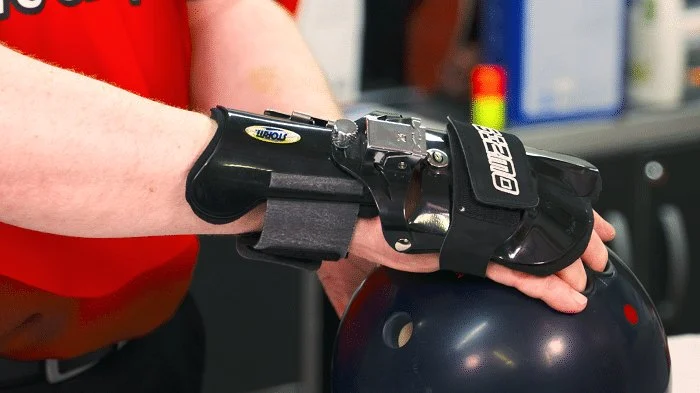
- 1-Understanding Wrist Pain in Bowlers
- 2-Common Causes of Wrist Pain in Bowlers
- 3-How to Prevent Wrist Pain When Bowling
- 4-Strengthening Exercises for Bowlers to Avoid Wrist Pain
- 5-Real-Life Examples of Bowlers Preventing Wrist Pain
1. Understanding Wrist Pain in Bowlers
Wrist pain is a common concern for bowlers, whether they are beginners or seasoned professionals. The repetitive motion of bowling can put strain on the wrist joint and surrounding muscles, leading to discomfort or even injury. Wrist pain can interfere with a bowler's ability to perform at their best and may even sideline them from the game entirely if not addressed properly.
Wrist pain in bowlers typically results from poor technique, overuse, or improper equipment. The wrist is an essential part of the bowling motion, as it helps guide the ball down the lane with the right speed and spin. Any misalignment or tension in the wrist can affect the accuracy and effectiveness of the shot, and over time, it can lead to chronic pain.

Colonial Bowling and Entertainment
Lawrence TownshipMercer CountyNew Jersey
U.S. 1, 2420 Brunswick Ave, Lawrence Township, NJ 08648, USA
2. Common Causes of Wrist Pain in Bowlers
Wrist pain in bowlers can arise from several factors, including the following:
- Improper Technique: Using incorrect wrist positioning or poor follow-through during the bowling motion can put undue stress on the wrist joint, leading to pain. A common mistake is not keeping the wrist in a neutral position or excessively twisting the wrist during the release.
- Overuse: Repeatedly bowling without sufficient rest can lead to strain and fatigue in the wrist. Bowlers who play frequently or engage in long practice sessions are at a higher risk of developing overuse injuries.
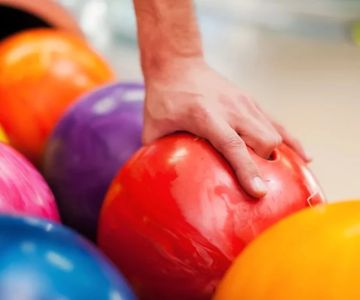
- Wrong Equipment: Using a bowling ball that is too heavy or has poorly fitted finger holes can force the wrist into awkward positions, contributing to pain. Ensuring that the ball fits comfortably and is the right weight for your strength and style is crucial.
- Lack of Wrist Strength: Weak muscles in the wrist and forearm can make it harder to maintain proper form while bowling, increasing the likelihood of strain and injury.
By identifying these common causes, bowlers can take proactive steps to prevent wrist pain and improve their overall performance on the lanes.

Round1 Bowling & Arcade Broadway Commons
HicksvilleNassau CountyNew York
358 N Broadway, Hicksville, NY 11801, USA
3. How to Prevent Wrist Pain When Bowling
Preventing wrist pain in bowling requires a combination of proper technique, rest, and strength training. Here are some tips to help you keep your wrist pain-free:
- Maintain Proper Form: Ensure that your wrist is in a neutral position throughout the entire bowling motion. Avoid excessive twisting or bending of the wrist. Keep your hand and wrist relaxed, with minimal tension, especially during the release phase.
- Use the Right Equipment: Make sure your bowling ball is properly fitted to your hand. The finger holes should be snug, but not too tight, and the weight of the ball should match your strength and ability to control it. A custom-fitted ball can help reduce unnecessary strain on your wrist.
- Take Regular Breaks: Give your wrist time to rest between practice sessions or games. Overuse can lead to injury, so it’s essential to allow your wrist muscles and tendons to recover. Try not to bowl for hours at a time without taking breaks.
- Warm Up and Stretch: Always warm up before bowling with gentle stretches for your wrist and forearm muscles. Stretching helps increase flexibility and blood flow, reducing the risk of injury. A few minutes of warm-up can make a big difference in preventing strain.
By following these steps, you can significantly reduce your risk of developing wrist pain while bowling and ensure that your performance remains at its best.
4. Strengthening Exercises for Bowlers to Avoid Wrist Pain
Building wrist strength is essential for bowlers who want to prevent pain and injury. Strong wrist and forearm muscles provide better control, reduce fatigue, and protect against strain. Here are some effective exercises that can help:
- Wrist Curls: Hold a light dumbbell or resistance band in your hand with your palm facing up. Curl your wrist toward your body, then slowly lower it back down. Perform 2-3 sets of 10-15 repetitions to strengthen your wrist flexors.
- Reverse Wrist Curls: Hold the dumbbell or resistance band with your palm facing down. Curl your wrist upward and slowly lower it. This exercise targets the wrist extensors, helping to balance the muscles on both sides of the wrist.
- Wrist Rotations: Hold a lightweight dumbbell and rotate your wrist in circles. Perform clockwise and counterclockwise rotations to improve the mobility and strength of the wrist joint.
- Forearm Planks: Hold a plank position with your forearms on the ground. This exercise helps strengthen the entire forearm, wrist, and shoulder complex, improving overall stability and wrist protection during bowling.
These exercises, when performed regularly, can help improve wrist strength and flexibility, reducing the likelihood of pain and injury on the lanes.
5. Real-Life Examples of Bowlers Preventing Wrist Pain
Many bowlers have successfully prevented wrist pain by incorporating proper techniques and strengthening exercises into their routines. Take, for example, Jake, a competitive bowler who had been dealing with chronic wrist pain for months. After getting his ball properly fitted and adding wrist-strengthening exercises to his routine, Jake noticed a significant reduction in pain and increased his game performance.
Similarly, Mia, a recreational bowler, used to experience wrist fatigue after every game. She started practicing proper wrist alignment and began stretching before each session. After just a few weeks, she noticed a decrease in wrist discomfort and was able to bowl longer without any pain.
These examples show that with the right techniques, equipment, and exercises, wrist pain can be prevented, allowing bowlers to enjoy the game without discomfort.
If you're looking for personalized advice or the best bowling equipment to prevent wrist pain, visit Southwestern Lanes for expert recommendations and top-quality products to enhance your bowling experience.


 Little Kings & Queens Fun Place4.0 (251 reviews)
 Main Street Sport and Social5.0 (50 reviews)
 Bill Colmer's Pro Shop4.0 (19 reviews)
 Lucky Strike Times Square4.0 (5225 reviews)
 Ocean Lanes4.0 (937 reviews)
 Knob Hill Country Lanes4.0 (486 reviews)
 How to Avoid Bowling Ball Thumb Injuries
 Best Bowling Lanes Near Me with High Ratings, Good Reviews, and Affordable Prices
 How to Bowl a Spare Even When the Setup Looks Impossible
 How to Bowl Better Under Pressure
 Best Family-Friendly Bowling Alleys with Kids Activities and Party Packages
 Bowling Tips for Beginners Who Want Better Results Fast