
- 1 - Understanding-Bowling-Ball-Types
- 2 - Plastic-Bowling-Balls
- 3 - Urethane-Bowling-Balls
- 4 - Reactive-Resin-Bowling-Balls
- 5 - Choosing-the-Right-Ball
- 6 - Maintenance-and-Care
- 7 - Real-Life-Case-Studies
- 8 - Tips-from-Professional-Bowlers
- 9 - Additional-Resources
1. Understanding Bowling Ball Types
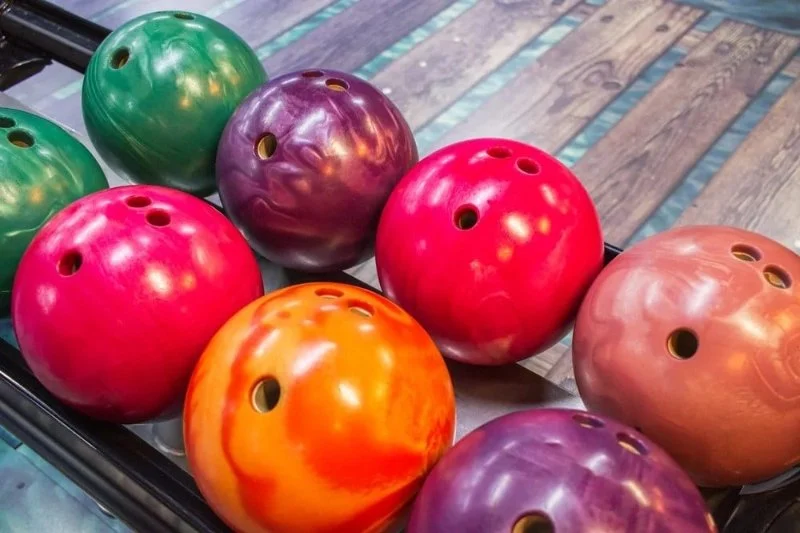
Choosing the right bowling ball is essential for maximizing performance and enjoyment. Different types of bowling balls—plastic, urethane, and reactive resin—offer distinct characteristics suitable for various skill levels and lane conditions. Understanding these differences ensures you select a ball that complements your technique and lane strategies.
1.1 The Core Differences
The main difference lies in the coverstock material, which affects friction, hook potential, and ball control. Plastic balls offer minimal hook, urethane provides moderate hook and control, while reactive resin delivers high friction and maximum hook potential.
1.2 Factors Affecting Performance
Ball weight, drilling layout, lane conditions, and bowler style all interact with coverstock material to influence performance. Considering these factors ensures your investment enhances your game rather than complicates it.
2. Plastic Bowling Balls
Plastic balls, also known as polyester balls, are typically entry-level balls favored by beginners and casual bowlers.
2.1 Features and Advantages
Plastic balls are durable, affordable, and provide minimal hook. Their smooth surface glides on oil-heavy lanes, making them predictable and easy to control.
2.2 Ideal Use Cases
These balls are suitable for straight shots, spares, or bowlers learning fundamentals. They work well on house oil patterns where accuracy and predictability matter more than hook potential.
2.3 Limitations
Plastic balls lack the friction needed for hooking on dry or medium-oiled lanes. Advanced bowlers often switch to urethane or reactive resin to exploit lane conditions and increase strike potential.
3. Urethane Bowling Balls
Urethane balls bridge the gap between beginner and high-performance balls, offering more control and hook than plastic.
3.1 Features and Advantages
Urethane balls have a higher coefficient of friction than plastic, enabling better hook control and smoother ball motion on medium-oiled lanes. They are less aggressive than reactive resin, providing predictability for spares and tactical play.
3.2 Ideal Use Cases
Intermediate bowlers who want to add hook to their game without sacrificing control often prefer urethane. These balls excel in spare shooting and can handle moderate lane oil patterns effectively.
3.3 Limitations
Urethane may underperform on very dry or heavily oiled lanes, where reactive resin balls would generate more traction and hook. Regular maintenance is required to preserve surface integrity.
4. Reactive Resin Bowling Balls
Reactive resin balls are designed for serious bowlers seeking maximum hook potential and lane adaptability.
4.1 Features and Advantages
Reactive resin balls have a porous surface that grips the lane, enhancing hook potential and backend motion. They are highly responsive to oil patterns and allow skilled bowlers to execute advanced techniques like angular hooking.
4.2 Ideal Use Cases
Reactive resin is suited for medium to dry lane conditions and competitive bowlers who can manipulate speed, rotation, and release to maximize performance. These balls are excellent for strike-focused strategies and tournament play.
4.3 Limitations
Reactive resin balls are more expensive and require frequent cleaning and surface adjustments. They can be unpredictable for beginners due to their high hook potential and sensitivity to lane conditions.
5. Choosing the Right Ball
Selecting a bowling ball involves evaluating skill level, lane conditions, and personal style.
5.1 Beginner Selection
Plastic balls are ideal for beginners focusing on fundamentals, accuracy, and spare conversion. Low-cost, durable, and easy to control, they reduce frustration during learning.
5.2 Intermediate Selection
Urethane balls provide balance between hook and control, helping intermediate bowlers improve versatility and confidence. They are suitable for players transitioning to more competitive play.
5.3 Advanced Selection
Reactive resin balls offer maximum performance for experienced bowlers. Proper drilling, weight selection, and surface adjustments are essential to leverage their potential.
6. Maintenance and Care
Maintaining your bowling ball extends its lifespan and preserves performance.
6.1 Cleaning and Polishing
Regularly clean balls with a surface cleaner after each session. Polishing reactive resin and urethane balls maintains surface friction and ensures consistent hook performance.
6.2 Storage Tips
Store in a cool, dry place. Avoid extreme heat or moisture that can warp or damage the ball. Use a proper ball bag to prevent scratches and dents.
6.3 Drilling and Finger Grip Maintenance
Check your finger grips periodically and adjust drilling layouts as your technique evolves. Professional drilling services ensure proper alignment for optimal performance.
7. Real-Life Case Studies
Real-world experiences highlight the impact of selecting the right bowling ball.
7.1 Beginner to Competitive Transition
A casual bowler in Texas upgraded from a plastic to a urethane ball. By practicing on medium-oiled lanes, she improved hook control and strike rate, eventually competing successfully in local tournaments.
7.2 Reactive Resin for Tournament Play
An experienced bowler in California switched to reactive resin to handle dry lane patterns. With precise release adjustments and ball surface maintenance, he achieved higher strike percentages and consistent performance in competitions.
8. Tips from Professional Bowlers
Experts provide guidance on maximizing performance based on ball type.
8.1 Start Simple, Progress Gradually
Begin with plastic or urethane before moving to reactive resin. Developing fundamental skills first ensures better long-term results.
8.2 Match Ball to Lane Conditions
Choose ball material based on oil patterns and lane dryness. Reactive resin for dry or medium lanes, urethane for moderate control, and plastic for straight shots and spares.
8.3 Regular Practice and Adjustment
Consistent practice with the chosen ball type helps develop muscle memory, improves release, and fine-tunes ball motion to match lane conditions.
9. Additional Resources
For bowling enthusiasts seeking equipment, training, and expert advice, platforms like Southwestern Lanes offer curated recommendations, product reviews, and instructional resources. Leveraging these resources helps bowlers make informed choices, maintain their equipment, and enhance their game performance.
Understanding bowling ball types—reactive resin, plastic, and urethane—is essential for selecting the right equipment for your skill level and lane conditions. Proper selection, maintenance, and practice, combined with expert guidance and resources like Southwestern Lanes, allow bowlers to optimize performance, increase strike potential, and enjoy the game fully.
 The Right Approach Pro Shop(Coram)5.0 (2 reviews)
 Lucky Strike North Brunswick4.0 (4706 reviews)
 Buddies Pro Shop, Inc.4.0 (132 reviews)
 Bowlero Belleville4.0 (1958 reviews)
 Asbury Lanes4.0 (1065 reviews)
 T-Squared Social4.0 (322 reviews)
 The Secret to Developing a Smooth and Powerful Bowling Approach
 Cheap Bowling Nights Near Me: Best Deals and Discounts Guide
 Best Bowling Tips for Beginners and Intermediate Players to Improve Your Game
 Step-by-Step Guide to Improve Bowling Balance and Footwork
 Affordable Bowling in Boise for Families – Fun Budget-Friendly Guide
 How to Improve Bowling Balance and Footwork Step by Step for Better Accuracy