Bowling Shoe Rental: Check Fit, Soles, and Return Rules
Table of contents
- Why bowling shoes matter
- Choose a secure, comfortable size
- Inspect rental shoes before wearing
- Protect sliding soles from moisture and debris
- Test movement before a full delivery
- Plan for children and accessibility needs
- Care for rental shoes during the session
- Return shoes and close the rental
- When personal bowling shoes may help
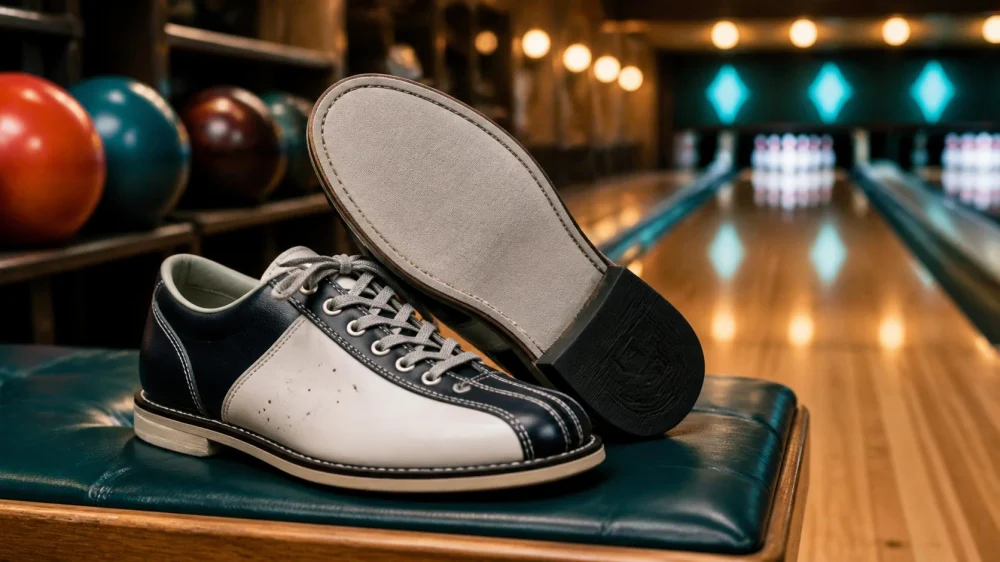
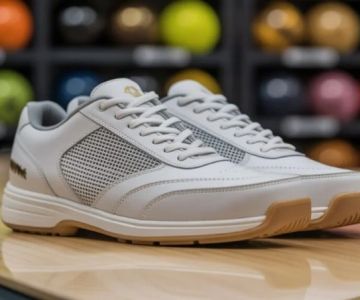
A bowling shoe rental is more than a counter transaction. The right pair should fit securely, have clean and intact soles, and support controlled movement on the approach. Bowling shoes are designed to interact with a smooth playing area in a way that ordinary street shoes do not. Wearing the wrong footwear—or allowing a rental sole to become wet—can cause an abrupt stop, an uncontrolled slide, or damage to the approach.
Rental designs vary by bowling center. Some have sliding material on both feet, while performance shoes may use different soles for the sliding and braking foot. Ask staff how the center’s shoes are intended to work. If a pair feels unstable, damaged, or painful, exchange it before bowling rather than trying to adapt your motion around a footwear problem.
Revolutions Bowling and Lounge
South WindsorCapitol Planning RegionConnecticut
60 Bidwell Rd, South Windsor, CT 06074, USA
Why bowling shoes matter
The bowling approach must remain clean, dry, and predictable. Street shoes can carry grit, water, oil, gum, and other debris onto that surface. Those contaminants can affect every bowler who steps there. Bowling shoes help protect the approach and provide a sole surface suited to a controlled finish at the foul line.
Bowling shoes do not guarantee that a bowler should slide. Beginners can use a short, balanced approach and a modest finish rather than forcing a dramatic motion. The safe goal is control. A shoe that glides more or less than expected should prompt a pause and staff check, not a harder step or faster approach.
Centers establish their own footwear policies. Some require rentals or approved personal bowling shoes for anyone entering the approach; others make accommodations for specific needs. Follow posted rules and ask before substituting any footwear. Socks may be required for hygiene and comfort, so bring a clean pair.
Choose a secure, comfortable size
Tell the attendant your usual shoe size and whether you need a different width. Rental sizing can vary by brand and wear, so treat the first pair as a starting point. Lace or fasten both shoes fully, stand, and walk a few steps away from the approach. Your heel should not lift excessively, your toes should not be compressed, and the upper should not pinch.
A shoe that is too large can twist or catch during the finish. A shoe that is too small can cause pain, numbness, and distraction. Thick socks change the fit, as can swelling during a long session. Exchange the pair if you cannot achieve a secure fit. Do not stuff loose material into the toe or leave laces untied as an improvised solution.
If left and right feet need different sizes or you use an orthotic, ask what options are available. Do not remove an insole or modify a rental shoe without permission. A staff member may be able to provide another style or advise whether your approved personal bowling footwear is acceptable.
Inspect rental shoes before wearing
Before stepping onto the approach, look at the uppers, laces or closures, heels, and soles. The sole should be attached without peeling edges, embedded debris, sticky spots, or obvious wetness. Check that the heel is secure and the interior has no foreign object. If something looks wrong, hand the pair back to staff and request another.
Do not scrape, sand, powder, heat, or apply a liquid to rental soles. These actions can damage the shoe or create a hazard on the approach. Only the center should clean or repair its equipment. If staff provides a shoe cover or another approved accessory, follow its instructions and remove it before bowling if directed.
Rental shoes are reused, so wear clean socks and wash or sanitize hands after handling footwear if desired. A center may use its own cleaning process between rentals. Customers should not spray personal disinfectants inside the shoes because unapproved products can irritate skin, leave residue, or affect materials.
Protect sliding soles from moisture and debris
Water is a major concern because a damp sliding sole may stop suddenly on the approach. Keep bowling shoes away from restroom floors, entrances, spilled drinks, and outdoor pavement. If you need to leave the bowling area, change into street shoes or use center-approved covers according to the rules. Never assume a cover permits walking through every area.
Keep food and beverages behind the seating boundary. If a spill occurs anywhere near the approach, stop bowling and alert staff immediately. Do not walk through the spill to retrieve a towel, and do not attempt to clean the lane-side floor unless staff asks you to. A small sticky patch can affect multiple lanes and may be difficult to see under entertainment lighting.
Check the soles again if you step on something or feel a change in movement. Sit down in a safe area to inspect them; do not balance on one foot at the foul line. Staff can determine whether the pair should be cleaned or exchanged.
Test movement before a full delivery
On your first turn, begin without a ball and take one or two slow practice steps in the permitted area, staying well behind the foul line and clear of other bowlers. Then use a short, controlled approach with a manageable ball. Notice whether the finish feels stable. Avoid running, jumping, or deliberately creating a long slide to “test” the shoes.
If the sole catches, slips excessively, or feels different between steps, stop. Step away from the approach and tell staff. Do not compensate by planting harder, increasing speed, or changing your body position abruptly. These changes can transfer stress to the knee, hip, back, or shoulder.
Conditions can differ between approaches, and synthetic or wood surfaces may feel different. The goal is not to compare which lane is fastest but to establish safe control on the assigned lane. Follow staff direction if the approach is temporarily closed for inspection.
Plan for children and accessibility needs
Children need shoes that fit now, not a larger pair intended for future growth. Secure laces and keep them from trailing. An adult should check the soles and supervise movement near ball returns and approaches. Children should not run in bowling shoes or cross the foul line. Ask about the smallest available size and approved alternatives before booking if necessary.
Bowlers who use mobility aids, braces, prostheses, or adaptive equipment should contact the center about access and footwear policies. A center may provide ramps, lane-side accommodations, or guidance for staying behind the approach. Do not assume a standard rental shoe works for every person. The bowler, staff, and caregiver or coach can agree on a safe method without creating an obstruction for neighboring lanes.
Anyone with pain, balance concerns, reduced sensation, or a recent injury should choose a conservative approach and seek appropriate professional advice when needed. Stop if bowling causes sharp pain, dizziness, or instability.
Care for rental shoes during the session
Keep the shoes on your feet or together under your seat, away from drinks and walkways. Do not trade pairs with another bowler after sizing, because the center may track rentals by lane and size. Retie loose laces immediately in the seating area. If a lace breaks or a sole separates, stop using the shoe and alert staff.
Do not wear rental shoes outside, even for a quick phone call or trip to the car. Outdoor grit can scratch or contaminate the approach. Change footwear if you must leave. If cosmic lighting makes the floor hard to inspect, move carefully and use the seating area lights or ask staff for assistance.
Return shoes and close the rental
At the end of play, collect both shoes and return them to the designated counter or bin. Do not leave them at the lane unless staff instructs you to. Check inside for socks, insoles, keys, or other personal items. Tell staff about damage, a wet sole, unusual slipping, or a fit problem so the pair can be inspected before its next use.
If the center exchanged your shoes during the session, make sure all pairs are accounted for. Confirm whether an ID, card, or deposit must be reclaimed. Keep the receipt until the rental transaction is closed. The center’s posted replacement rules apply if shoes are lost or taken outside.
When personal bowling shoes may help
Frequent bowlers may value the consistent fit and known condition of personal shoes. Entry-level models can be suitable for recreational play, while interchangeable-sole performance shoes require more knowledge and maintenance. Match the shoe to your dominant hand, slide foot, approach style, and center rules with help from a reputable pro shop.
Personal shoes still need inspection. Keep soles dry, use covers where appropriate, and store them in a ventilated bag. Do not wear them outdoors. Whether the pair is rented or owned, safe bowling starts with the same routine: confirm the fit, inspect the sole, protect it from contamination, and stop when movement no longer feels predictable.
 Sparta Pour House4.0 (18 reviews)
 The All Star4.0 (513 reviews)
 Better Off Bowling - New York3.0 (6 reviews)
 Finnigans Lanes3.0 (581 reviews)
 Thunderbird Lanes - Warminster4.0 (711 reviews)
 Coram Country Lanes4.0 (507 reviews)
 Why Some Bowlers Throw Too Hard | Southwestern Lanes
 Bowling Lane Arrows and Dots: A Beginner Targeting Guide
 How to Organize a Bowling Birthday Party at a Local Alley
 The Secret to Developing a Smooth and Powerful Bowling Approach
 Why Your Ball Needs Polishing Regularly
 Bowling Tips for Weekend Players Who Love the Game