
- Footwork &-How-Approach-Impacts-Consistency
- Release-&-Spin-Control-for-Strike-Accuracy
- Lane-Reading-&-Oil-Pattern-Adjustment
- Spare-Conversion-&-Pressure-Control
- Mental-Game-&-Focus-for-Perfect-Score
Bowling With Precision: What It Really Takes to Reach a Perfect Game
A perfect game in bowling—300 points—has a kind of legendary aura around it. For most bowlers, it feels like something only professionals or extremely lucky players ever achieve. But the truth is more grounded: it’s not luck. It’s repetition, adjustment, and emotional control stacked together frame after frame.
Anyone searching for how to bowl a perfect game usually expects a secret trick. In reality, it’s a blend of physical mechanics and mental discipline that builds over time. Even seasoned league players will admit that one small inconsistency in timing or release can break an otherwise flawless run.

City Sports Grille
VernonCapitol Planning RegionConnecticut
350 Talcottville Rd, Vernon, CT 06066, USA
Building the Foundation: Consistent Footwork and Approach
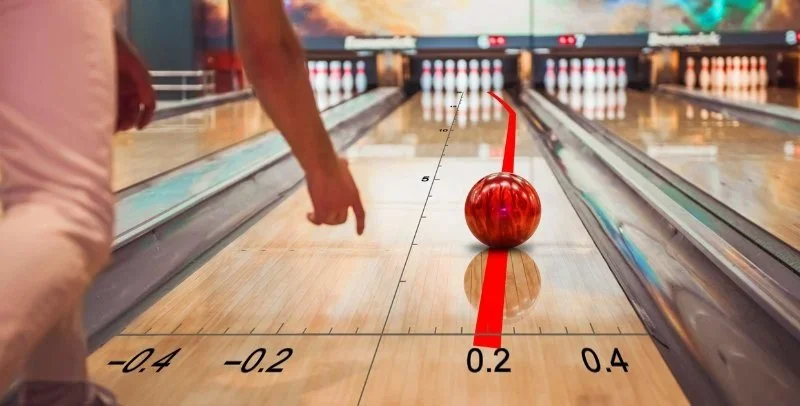
The journey toward a perfect game starts long before the ball leaves your hand. It begins with your feet. A smooth, repeatable approach creates rhythm, and rhythm creates accuracy. Many bowlers underestimate how much their steps influence ball direction.
Round1 Bowling & Arcade Deptford Mall
DeptfordGloucester CountyNew Jersey
1750 Deptford Center Rd Ste 2350, Deptford, NJ 08096, USA
Why Footwork Controls Your Entire Shot
When your steps vary in speed or length, your release point shifts. Even a half-inch difference at release can change the ball’s entry angle into the pins. That’s why professional coaching often focuses more on the approach than the throw itself.
A common mistake is rushing during excitement. A bowler might strike twice in a row, then unconsciously speed up their approach on the third throw. That tiny adjustment often leads to a missed pocket hit.
Practical Adjustment Drill
One effective drill involves repeating the same four-step approach while focusing only on balance at the foul line. The goal is not power—it’s repeatability. Bowlers who master this drill often see immediate improvement in strike consistency.
Release Mechanics: The Moment Everything Comes Together
The release is where precision either succeeds or collapses. Understanding wrist position, finger rotation, and follow-through is critical when learning bowling strategies that lead to high scores.
Controlled Spin vs. Over-Rotation
Many beginners believe more spin equals better strikes. That’s not accurate. Too much rotation reduces control and makes lane reading difficult. The ideal release produces a controlled hook that enters the pocket cleanly without excessive sideways motion.
Think of your hand as a guide, not a whip. The smoother the release, the more predictable your ball path becomes.
Follow-Through Discipline
A consistent follow-through ensures directional stability. If your arm finishes left, your ball likely follows left. If it drops early, accuracy suffers. Professionals often hold their follow-through position for a split second after release to reinforce muscle memory.
Understanding Lane Conditions and Oil Patterns
One of the most overlooked parts of bowling improvement is lane reading. Even perfect technique fails if you don’t adjust to oil distribution on the lane.
Why Oil Patterns Matter
Oil determines how much friction your ball experiences. Early in a game, lanes are smoother, causing balls to slide further. As more players roll balls, friction increases and hook patterns shift. This is where adaptation becomes essential.
Mid-Game Adjustment Strategy
Experienced bowlers adjust their starting position every few frames. A small move left or right can restore pocket accuracy. Watching how your ball reacts after each roll is essential for learning real-time bowling lane adjustment.
Interestingly, during a regional tournament in Ohio, a semi-professional bowler reportedly went from a struggling 140 average to a near-perfect 298 game simply by shifting two boards left after frame five. That small adjustment changed everything.
Spare Shooting: The Hidden Key to a Perfect Game
Many assume strikes are the only path to perfection. But spare conversion is just as important. A single missed spare destroys a perfect game attempt instantly.
Developing a Reliable Spare System
Instead of reacting differently each time, successful bowlers use a system. For example, adjusting stance rather than changing throw mechanics. This keeps muscle memory stable under pressure.
Pressure Handling in Critical Frames
The tenth frame often creates the most tension. Bowlers who succeed here typically slow their breathing and focus on routine rather than outcome. The mental shift from “I need a strike” to “I will repeat my form” is crucial.
Mental Strategy: Staying Locked In for Ten Frames
Bowling a perfect game is as much psychological as it is physical. Focus drift is one of the biggest threats. Even professional athletes talk about how easily attention can slip after several strikes in a row.
Routine as a Stability Anchor
Developing a pre-shot routine helps stabilize nerves. This could include a breath pattern, a short visualization, or a consistent stance reset. The key is repetition without variation.
Handling Momentum Without Overconfidence
After multiple strikes, many bowlers unconsciously shift from control to aggression. This is where perfect games are lost. Staying emotionally neutral—even after success—is one of the hardest skills to develop.
Training Drills That Actually Improve Performance
Structured practice is where theoretical knowledge becomes skill. Without drills, improvement plateaus quickly.
Accuracy Lane Drill
Focus on hitting a single arrow on the lane repeatedly instead of aiming for strikes. This builds directional consistency, which is the backbone of all bowling practice drills.
Spare Simulation Practice
Set up different pin combinations and repeat them until conversion becomes automatic. This reduces hesitation during real games.
Pressure Simulation Sets
Try bowling under self-imposed pressure: “must strike to continue” scenarios. This trains emotional control under stress conditions similar to real competitions.
Real Bowling Experience: When Everything Clicked
A recreational league bowler once shared a memorable experience after months of struggling to break 180. During a casual league night, they focused entirely on rhythm instead of score. By the seventh frame, they noticed something unusual—every shot felt identical.
Instead of chasing strikes, they focused on repeating footwork and adjusting only for lane changes. That night ended with a 279 game—not perfect, but a breakthrough moment that reshaped their entire understanding of performance consistency.
Equipment Choices That Influence Performance
Even technique depends partially on equipment. Ball weight, surface texture, and grip style all influence control.
Choosing the Right Ball Fit
A properly fitted bowling ball reduces strain and improves release timing. Too tight or too loose grips lead to inconsistent spin and direction.
Surface Maintenance Importance
Regular ball cleaning ensures predictable lane interaction. Dirty surfaces alter friction patterns, making adjustment more difficult.
For bowlers looking to refine their equipment setup and performance consistency, exploring expert guidance from platforms like Southwestern Lanes can help identify better-fit strategies and training tools tailored to skill level.
Putting It All Together: The Path Toward Consistency
Mastering how to bowl a perfect game isn’t about chasing perfection on a single night. It’s about building repeatable systems: stable footwork, controlled release, adaptive lane reading, and emotional discipline.
When these elements work together, performance stops being unpredictable. Instead, it becomes a structured outcome of practiced habits. That’s the real secret behind every 300 game ever bowled—it wasn’t accidental. It was constructed, frame by frame, decision by decision.





 Bowlero East Meadow4.0 (797 reviews)
 Tilted 104.0 (396 reviews)
 West Point FMWR Bowling Center4.0 (105 reviews)
 Bowlero Belleville4.0 (1958 reviews)
 Homefield Bowl4.0 (783 reviews)
 Larkfield Lanes4.0 (189 reviews)
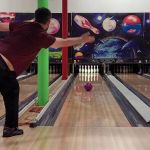 Tips for Bowling on Dry Lanes: How to Improve Your Game
 How to Find the Best Bowling Deals Near Me in the US
 Bowling Tips for Casual and Competitive Players: Improve Your Game Fast
 How to Practice Bowling at Home Without a Lane: Simple Training Tips
 How to Bowl a Spare Even When the Setup Looks Impossible
 How to Record Your Bowling Games for Self-Analysis