
- 1. Why Effective Bowling Practice Matters
- 2. Budget-Friendly Methods for Practicing Bowling
- 3. Bowling Drills You Can Do at Home
- 4. How to Maximize Your Practice Time on a Budget
- 5. Real-Life Examples: How Bowlers Improved Without Breaking the Bank
1. Why Effective Bowling Practice Matters
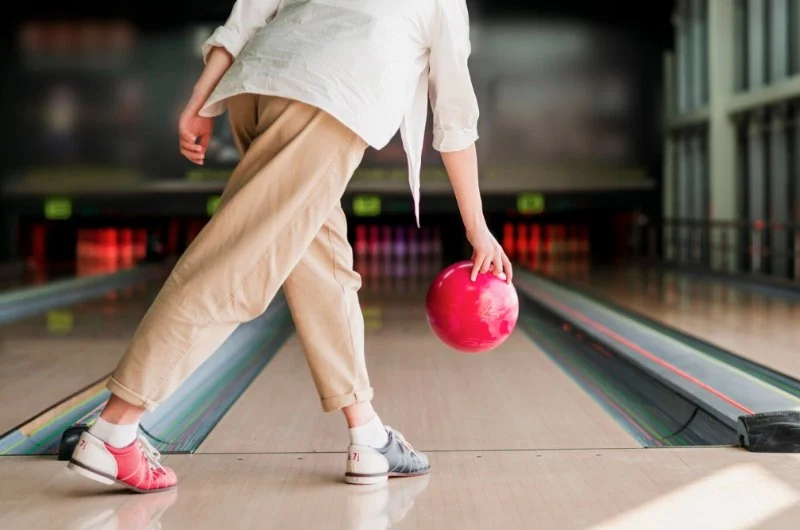
Bowling is a fun and challenging sport, but like any other athletic pursuit, it requires consistent practice to improve. Effective practice helps develop muscle memory, refine technique, and boost accuracy. Whether you’re a beginner or an experienced bowler looking to take your game to the next level, effective practice is the key to achieving those goals.
However, practicing bowling doesn’t have to be expensive. You can make substantial improvements without spending too much money. With the right approach and commitment, you can practice effectively at home or at the bowling alley without breaking your budget.
Spare Time Entertainment
NorthamptonHampshire CountyMassachusetts
525 Pleasant St, Northampton, MA 01060, USA
2. Budget-Friendly Methods for Practicing Bowling
There are several ways to practice bowling effectively while staying within your budget. Below are some cost-effective methods that can help you hone your skills:
- Practice at Home: You don’t need to go to the bowling alley every time you want to practice. Many skills can be developed at home. For example, you can work on your grip and release by using a tennis ball or a small bowling ball if available.
- Find Discounted Bowling Sessions: Look for deals or discounts at your local bowling alley. Many alleys offer discounted hours or leagues with reduced rates for practicing. Some alleys even offer free practice time during off-peak hours.
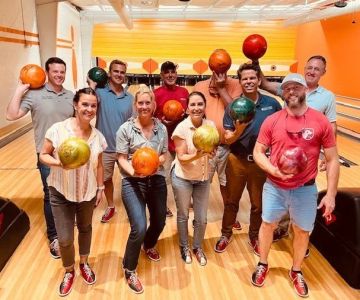
- Group Practice: Practice with friends or join a league to split costs. Many bowling alleys offer group rates that allow multiple bowlers to share the cost of lanes and equipment.
- Use a Bowling Ball at the Alley: Instead of purchasing your own ball right away, use the rental balls available at bowling alleys. This allows you to practice without a large initial investment. When you're ready, consider buying a ball tailored to your needs.
3. Bowling Drills You Can Do at Home
Practicing bowling at home can be both fun and productive. Here are a few drills you can do at home to improve your skills:
- Grip and Release Practice: Practice your grip and release with a tennis ball. Hold it as you would a bowling ball and simulate the release motion. This will help you get comfortable with your grip and improve your release timing.
- Stance and Approach Drills: Work on your stance and approach by walking in a straight line on a flat surface, mimicking your bowling steps. Focus on your posture and the timing of your steps to make your approach smoother.
- Visualizing the Shot: Visualization is a powerful tool for bowlers. Close your eyes, imagine yourself on the lane, and picture a perfect shot. This mental practice can help you focus on your technique and improve your consistency.
- Bowling Ball Motion Drill: Use a small ball or a rolled-up sock to mimic the motion of bowling a strike. Roll the ball down a hallway or open space, focusing on the path of the ball and the motion of your arm.
4. How to Maximize Your Practice Time on a Budget
Maximizing your practice time is just as important as practicing frequently. Here’s how to make the most out of every session without spending too much money:
- Focus on Technique: Instead of just throwing the ball, focus on improving your technique. Work on your approach, timing, and accuracy. Spending time on technique will yield better results than simply practicing to throw more balls.
- Set Goals for Each Session: Every time you practice, set a specific goal. For example, you could focus on increasing your accuracy or improving your approach. Setting clear goals will keep your practice sessions structured and more effective.
- Track Your Progress: Keep a record of your practice sessions. Note the things you’re working on, your strengths, and areas that need improvement. Tracking your progress will help you stay motivated and improve over time.
5. Real-Life Examples: How Bowlers Improved Without Breaking the Bank
Here are a few real-life stories of bowlers who improved their game without spending a fortune:
- Jessica’s Journey to Consistency: Jessica, a beginner bowler, improved her game significantly by practicing her grip and release at home using a tennis ball. By focusing on her technique, she was able to boost her accuracy and lower her average score in just a few months.
- Mark’s Affordable Bowling League Success: Mark, an intermediate bowler, joined a local bowling league with a group of friends. They practiced together, shared lane costs, and saw improvements in their scores and technique without spending much money.

 Bowler City4.0 (1402 reviews)
 Seven Billiards Corporation4.0 (14 reviews)
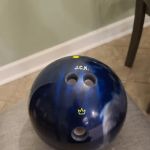 Bilinskas Brothers Bowling Shop4.0 (29 reviews)
 Brooklyn Bowl4.0 (3837 reviews)
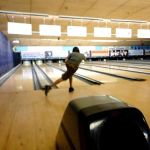 Pat Tarsio Lanes4.0 (97 reviews)
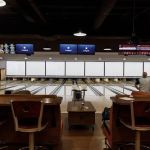 Spins Bowl Wappingers4.0 (769 reviews)
 How to Choose a Bowling Coach
 Best Bowling Centers Near Me for Parties and Celebrations
 How to Curve a Bowling Ball Without Losing Control
 How to Choose Between Two-Handed and One-Handed Bowling Styles
 Bowling Tips for Players Who Want Better Results
 Affordable Bowling Nights in San Diego with Discounts and Specials