
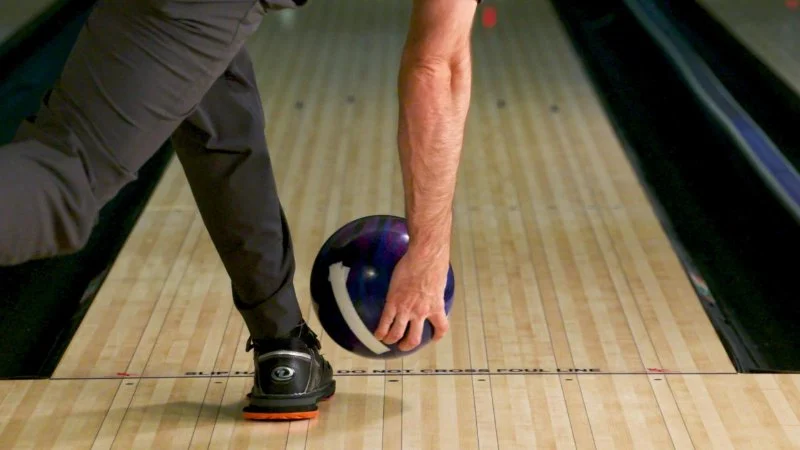
Staying Steady When It Matters Most in Bowling Competition
- pressure-bowling-psychology - understanding-nervous-frames - mental-game-foundation
- consistency-technique-control - repeatable-bowling-form - release-timing-stability
- lane-adjustments-under-pressure - reading-oil-patterns - smart-ball-choices
- real-competition-scenarios - tournament-pressure-stories - emotional-control-examples
- training-for-pressure-performance - practice-routines - long-term-improvement-strategy
Why Pressure Changes Everything in Bowling Performance
Bowling looks simple from the outside—walk up, swing, release, repeat. But anyone who has stepped into a close match knows that pressure can completely change how a bowler performs. Hands tighten, timing shifts, and suddenly shots that felt automatic during practice start drifting off target. Learning how to bowl consistently under pressure is not just about physical skill—it is about controlling your mind when the scoreboard matters most.
In competitive environments across the US bowling scene, from local leagues to regional tournaments, the difference between winning and losing often comes down to the final three frames. Many experienced bowlers will tell you that pressure does not destroy skill—it exposes inconsistency. That’s why training for mental stability is just as important as improving your release or footwork.
The New Jordan Lanes
FullertonLehigh CountyPennsylvania
731 Jordan Pkwy, Whitehall Township, PA 18052, USA
The Mental Side of Pressure Bowling That Most Players Ignore
The first thing to understand is that pressure is not external—it is internal interpretation. Two bowlers can face the same situation: a spare in the 10th frame to win a match, yet only one will feel overwhelmed. The difference lies in mental framing.

1. Nervous energy is not the enemy
Many bowlers try to eliminate nerves completely, but that is unrealistic. Even professional players experience adrenaline spikes. The goal is not removal, but control. Nervous energy can actually sharpen focus if redirected properly.
2. Routine creates emotional stability
One of the most reliable methods for maintaining consistency is building a pre-shot routine. This includes breathing patterns, ball grip checks, and visualization of the intended ball path. When repeated consistently, the brain interprets the situation as familiar—even under pressure.
3. The illusion of “must-make shots”
A common mistake is overvaluing certain frames. When bowlers think, “I must strike here,” tension increases. Instead, treating every shot with equal importance leads to better execution.
Technical Adjustments That Improve Consistency Under Stress
While mental control is critical, physical technique must remain stable. Pressure often disrupts timing, causing early releases or rushed footwork. The key is simplifying your motion when stakes are high.
Repeatable approach rhythm
Consistency starts with footwork. A steady 4-step or 5-step approach should feel identical whether you are practicing alone or competing in a final frame situation. Many elite bowlers use audible counting or internal rhythm cues to maintain timing.
Controlled release point
Under pressure, bowlers often “force” the ball, which leads to inconsistent rev rates. Instead, focus on letting the ball exit your hand naturally at the same point in your swing arc every time.
Reducing unnecessary power
A surprising truth: trying to throw harder under pressure usually reduces accuracy. The best performers often reduce speed slightly to increase control and accuracy.
At competitive bowling centers like Southwestern Lanes, coaches often emphasize the idea that “smooth is repeatable, fast is fragile.” This mindset shift alone improves late-game performance for many players.
Reading Lane Conditions When Pressure Is High
As games progress, oil patterns on the lane change. This affects ball motion significantly, and under pressure, bowlers sometimes fail to adjust quickly.
Understanding transition patterns
When oil breaks down, the ball may hook earlier or later depending on lane traffic. Recognizing this shift allows for smarter adjustments instead of emotional reactions.
Ball selection discipline
One mistake under pressure is switching equipment too frequently. Instead, successful bowlers adjust angle and speed before changing balls.
Target simplification
Instead of overanalyzing arrows and boards, focus on one stable target point. Too many visual references increase hesitation during critical shots.
Real Tournament Story: When Pressure Revealed the Difference
In a regional league final in Ohio, two bowlers entered the 10th frame tied. One bowler had been dominant all night, averaging over 220. The other had struggled early but stayed mentally steady.
The first bowler tightened up visibly. His first shot drifted high, leaving a difficult split. The second bowler, despite lower overall performance, stuck to his routine—same breath, same timing, same release. He delivered a clean strike and sealed the match.
Afterward, both players agreed that skill was not the deciding factor. It was emotional control. The winner simply executed what he had practiced without letting the situation change his mechanics.
Training Methods That Build Pressure Resistance
Becoming consistent under pressure requires intentional practice. Casual repetition is not enough—you need simulated stress environments.
1. Frame consequence drills
Assign meaning to practice frames. For example, miss a spare and restart the set. This introduces mental stakes similar to competition.
2. Countdown scoring practice
Start a game where the final 3 frames determine the score. This forces focus during closing situations.
3. Fatigue simulation
Many pressure mistakes occur due to mental fatigue. Practicing after extended sessions helps replicate late-game conditions.
Building a Reliable Pre-Shot Mental System
A strong mental system removes guesswork. Before every shot, successful bowlers follow a consistent mental sequence:
Step 1: Visualization
Picture the ball path clearly—entry angle, breakpoint, and pin action.
Step 2: Physical reset
Relax shoulders and hands to avoid tension buildup.
Step 3: Commitment
Once stepping onto the approach, no adjustments. Trust the decision already made.
This structure reduces hesitation, which is the primary cause of inconsistent execution under pressure.
Emotional Control: The Hidden Skill of Elite Bowlers
Emotional swings—frustration after a split, excitement after a strike—can disrupt rhythm. The best bowlers maintain a neutral emotional state regardless of outcome.
One effective approach is “next-shot thinking.” Each frame resets the mental scoreboard. This prevents a single mistake from cascading into multiple errors.
Many coaches at competitive US bowling centers emphasize this principle repeatedly because it separates average league players from tournament winners.
Long-Term Consistency Strategy for Competitive Bowlers
True consistency under pressure is built over time. It is not a single adjustment but a layered system of habits:
Technical stability
Repeatable swing mechanics, consistent release timing, and balanced footwork.
Mental conditioning
Routine-based thinking and emotional neutrality.
Strategic awareness
Understanding lane transition and adjusting without panic.
At bowling facilities like Southwestern Lanes, many developing players find that combining structured coaching with competitive league play accelerates this process significantly.
Ultimately, learning how to bowl consistently under pressure is about building trust in your own system. When mechanics, mindset, and strategy align, pressure stops being a threat and becomes simply another part of the game environment.





 Bowlero East Meadow4.0 (797 reviews)
 Tilted 104.0 (396 reviews)
 West Point FMWR Bowling Center4.0 (105 reviews)
 Bowlero Belleville4.0 (1958 reviews)
 Homefield Bowl4.0 (783 reviews)
 Larkfield Lanes4.0 (189 reviews)
 Tips for Bowling on Dry Lanes: How to Improve Your Game
 How to Find the Best Bowling Deals Near Me in the US
 Bowling Tips for Casual and Competitive Players: Improve Your Game Fast
 How to Practice Bowling at Home Without a Lane: Simple Training Tips
 How to Bowl a Spare Even When the Setup Looks Impossible
 How to Record Your Bowling Games for Self-Analysis