

- 1. Introduction to Improving Your Approach Direction
- 2. Understanding Approach Direction in Sports
- 3. Key Factors Affecting Your Approach Direction
- 4. Techniques to Improve Physical Approach
- 5. Mental Preparation and Focus for a Better Approach
- 6. Real-life Examples: Improving Approach Direction in Practice
- 7. Conclusion: Mastering Your Approach for Success
1. Introduction to Improving Your Approach Direction
In many sports and even in daily activities, the way you approach a task or challenge can greatly impact your performance. Whether you're a runner, a basketball player, or someone trying to improve in a skill, having a solid approach direction can enhance your effectiveness. In this article, we’ll dive into how to improve your approach direction through physical techniques, mental focus, and practice.
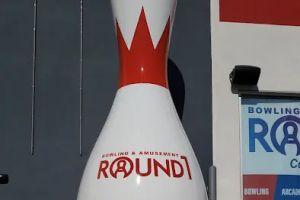
Round1 Bowling & Arcade Deptford Mall
DeptfordGloucester CountyNew Jersey
1750 Deptford Center Rd Ste 2350, Deptford, NJ 08096, USA
2. Understanding Approach Direction in Sports
Approach direction refers to the angle, alignment, and focus with which you approach an action, such as a jump, a throw, or a sprint. In sports, this can involve adjusting your body posture, speed, and even your mindset to achieve the best result. The right approach direction maximizes your energy and improves precision, making it a crucial element in sports performance.

2.1 The Role of Approach in Different Sports
In sports like basketball or volleyball, approach direction can determine the accuracy of a jump or spike. In track and field, your approach angle during a high jump or long jump is crucial for clearing the bar or reaching your maximum distance. For sprinters, how they set their stance and launch off the blocks impacts their speed and efficiency. A solid understanding of your approach direction ensures better performance in these sports.
3. Key Factors Affecting Your Approach Direction
There are several factors that can impact the direction of your approach, from your physical stance to your mental attitude. Let’s break down some of the most significant elements:
3.1 Physical Alignment
Physical alignment refers to how your body is positioned during the approach. For example, if you're running toward a hurdle, aligning your body properly allows for better clearance and speed. If your stance is off, you could lose time or even risk injury. Practice keeping your body in optimal alignment for each movement.
3.2 Speed and Momentum
Speed and momentum also play a significant role in your approach direction. Too much speed might cause you to overcompensate, while too little might reduce your effectiveness. Find the balance between speed and control to improve your approach in various activities.
3.3 Mental Focus
Your mental state affects how you approach tasks. If you’re distracted or anxious, your approach can feel rushed or sloppy. Staying focused and calm enables you to move with precision and confidence. Visualization techniques and positive reinforcement can improve your focus during practice.
4. Techniques to Improve Physical Approach
Improving your physical approach involves practice, muscle memory, and awareness of your body's movements. Here are a few techniques you can use to improve:
4.1 Drills for Alignment
Use drills to improve your body’s alignment and muscle memory. For example, practice running drills or jumping exercises that emphasize proper positioning and smooth transitions. This will help ensure your body is correctly aligned for the desired outcome.
4.2 Controlled Movements
Controlled movements help regulate your momentum and maintain your approach direction. In training, focus on slow, deliberate movements that emphasize form before increasing speed. This can improve your precision, especially during critical moments of a performance.
5. Mental Preparation and Focus for a Better Approach
While physical techniques are important, mental preparation is just as crucial in improving your approach direction. Here's how to focus your mind:
5.1 Visualization
Visualization is a technique that involves mentally rehearsing your approach. By closing your eyes and visualizing yourself performing the task successfully, you can enhance your confidence and focus. Visualization also helps you anticipate potential challenges and develop strategies to overcome them.
5.2 Mindfulness and Calmness
Stay calm and grounded, especially in high-pressure situations. Using mindfulness techniques, like deep breathing or focusing on a single point, can help clear distractions and keep your approach steady and intentional.
6. Real-life Examples: Improving Approach Direction in Practice
Many athletes have improved their performance by focusing on their approach direction. For example, Olympic sprinters and high jumpers practice detailed drills to perfect their approach angles, ensuring that every movement is as effective as possible. By watching these professionals and learning from their techniques, you can apply similar practices to your training.
7. Conclusion: Mastering Your Approach for Success
Improving your approach direction is a continual process that requires a combination of physical practice and mental focus. By aligning your body, controlling your movements, and staying mentally sharp, you can significantly enhance your performance in sports and other activities. Remember that consistency is key, and with time and practice, your approach direction will become more precise and natural.
If you're looking for more tips and tools to help you improve your approach, visit Southwestern Lanes for expert advice and the best resources.






 Frames Bowling Lounge4.0 (3039 reviews)
 Delmor Lanes4.0 (57 reviews)
 Rip Van Winkles' Pub4.0 (122 reviews)
 Callahan's Bowl-O-Rama4.0 (886 reviews)
 Tilted 104.0 (396 reviews)
 Bowling On Broadway4.0 (21 reviews)
 Complete Bowling Guide with Tips, Equipment, Deals, and Best Bowling Alleys Near Me
 Tips for Bowling on Dry Lanes: How to Improve Your Game
 Why Your Bowling Footwear Impacts Your Slide
 How to Track Your Bowling Progress and Improve Over Time
 Best Bowling Alleys in Aurora With Affordable Prices
 How to Develop Consistent Spare Strategies