
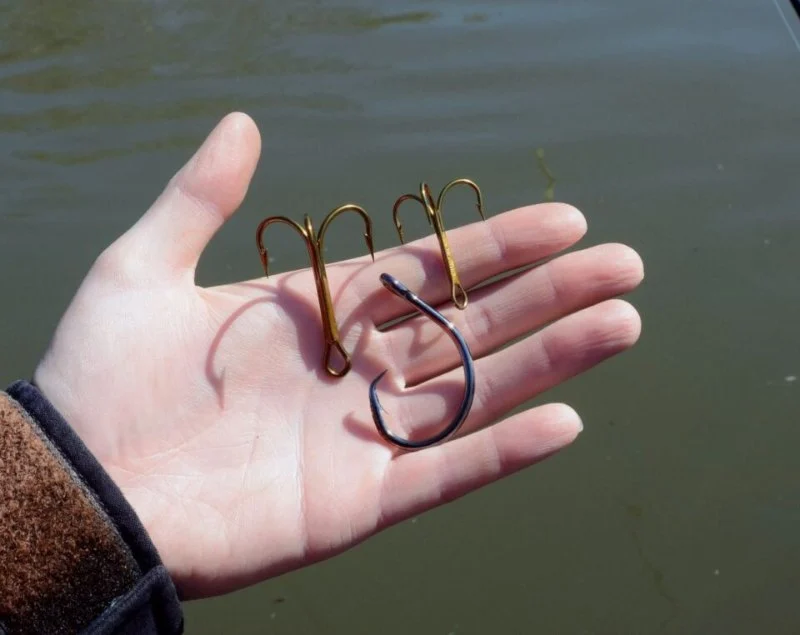
- Understanding Tilt and Rotation in Hook Shape
- The Physics Behind Hook Shape and Performance
- How Tilt Affects Hook Performance
- The Role of Rotation in Hook Shape and Efficiency
- Real-Life Example: How Hook Shape Affects Fishing Success
- Recommendations from Southwestern Lanes
Understanding Tilt and Rotation in Hook Shape
Fishing hooks are meticulously designed tools, but one factor that many anglers overlook is how tilt and rotation affect hook shape and its overall performance. Whether you're a novice or an experienced angler, understanding how these two factors influence hook behavior can significantly improve your fishing success.
In simple terms, tilt refers to the angle at which a hook is positioned relative to the fishing line, while rotation involves the movement of the hook as it enters and lodges into the fish’s mouth. Both tilt and rotation impact how effectively a hook performs during the fishing process. Let’s dive deeper into these concepts and how they play a crucial role in fishing hook design.

Sports Center of Connecticut
SheltonNaugatuck Valley Planning RegionConnecticut
784 River Rd, Shelton, CT 06484, USA
The Physics Behind Hook Shape and Performance
The design of a fishing hook is primarily determined by the physics of how it interacts with the fish and the water. For a hook to successfully catch fish, it must engage with the fish’s mouth in a way that ensures a secure hold, preventing escape. Tilt and rotation are crucial in this interaction.
When a hook is set at an optimal angle, or tilt, it facilitates a smoother entry into the fish’s mouth, enhancing the chances of a solid hookset. The rotation of the hook, on the other hand, is essential for ensuring that the hook point embeds deeply into the fish’s mouth. These dynamics are what make some hooks more effective than others, especially when targeting different species of fish.

How Tilt Affects Hook Performance
Tilt refers to the angle at which a hook sits when a fish strikes. The angle at which the hook enters the fish's mouth can determine whether the hook is properly set or if the fish is able to escape. If the hook is too flat (i.e., too little tilt), it may not effectively penetrate the fish’s mouth, leading to missed hooksets. On the other hand, too much tilt could result in the hook pointing in the wrong direction, reducing the effectiveness of the hook.
For example, if you’re fishing for bass, a hook with a moderate tilt is essential. Bass typically strike hard, and the right tilt ensures that the hook’s point quickly penetrates the fish’s mouth, reducing the chances of the fish escaping. For lighter species like trout, a less aggressive tilt may be needed to prevent damaging the fish and ensuring a clean hookset.
The Role of Rotation in Hook Shape and Efficiency
Rotation, on the other hand, refers to how the hook turns once it enters the fish’s mouth. When a fish strikes, it often moves its head or body, causing the hook to rotate. This rotation can either help or hinder the hook’s effectiveness. The optimal hook design allows for a rotation that causes the hook’s point to drive deeper into the fish’s mouth, ensuring a secure hold.
For example, hooks with a wider gap or an angled design are often better for ensuring that the hook rotates properly as the fish pulls away, increasing the likelihood of a solid hookset. Rotation is particularly important for hook designs used in catch-and-release fishing, where minimizing injury to the fish is key. A hook that rotates properly ensures that the fish is not harmed unnecessarily while still securing a successful catch.
Real-Life Example: How Hook Shape Affects Fishing Success
Consider the case of Jake, an avid angler who struggled with hooksets during his fishing trips. Despite using sharp hooks, he often found that the fish would escape after biting. After discussing the issue with a fishing expert, Jake learned that the tilt of his hooks was too flat, causing poor hook penetration.
Upon switching to hooks with a more pronounced tilt, Jake found that his hooksets became much more reliable. The hooks now penetrated the fish’s mouth more effectively, reducing the number of fish he lost during fights. Jake’s experience is a great example of how small adjustments to tilt and rotation can dramatically improve fishing success.
Recommendations from Southwestern Lanes
If you're looking to improve your fishing hook performance, consider visiting Southwestern Lanes for the best hook options tailored to your needs. Whether you’re targeting bass, trout, or other species, Southwestern Lanes offers a variety of hooks designed with optimal tilt and rotation for maximum effectiveness. With expert advice and high-quality gear, you can improve your hook shape understanding and catch more fish!






 Lucky Strike Queens4.0 (3499 reviews)
 Doc's Bar & Grill3.0 (18 reviews)
 Delmor Lanes4.0 (57 reviews)
 Danbury Duckpin Lanes4.0 (214 reviews)
 Bowlero Deptford4.0 (1110 reviews)
 AMF Syosset Lanes4.0 (742 reviews)
 Why Tilt and Rotation Affect Hook Shape
 Step-by-Step Bowling Form Guide: Improve Your Technique and Score Higher
 Best Bowling Techniques Used by Professional Players
 Bowling Tips for Families Looking for Fun Weekend Activities
 How to Improve Bowling Focus and Consistency: Proven Techniques
 How to Prevent Blisters When Bowling Frequently: Tips for Comfort and Performance