
Mastering Bowling Drills That Actually Improve Your Game
- 1-Bowling Fundamentals-understanding grip, stance, and approach
- 2-Effective Bowling Drills-techniques that lead to real improvement
- 3-Focus on Strike Consistency-drills to enhance accuracy and power
- 4-Spare Shooting Strategies-how to practice spares effectively
- 5-Real-Life Case Studies-success stories and examples from players
- 6-Mistakes to Avoid-common pitfalls in bowling practice
- 7-Tips for Maximizing Practice Time-advice for structured sessions
- 8-Resources and Recommendations-Southwestern Lanes guidance for bowlers
1. Bowling Fundamentals
1.1 Understanding Grip and Release
The foundation of any successful bowling practice starts with the correct grip and release. Your fingers and thumb placement in the ball determines how it rolls down the lane. Beginners often struggle with consistent release, but focusing on a natural, comfortable grip reduces tension and increases control.
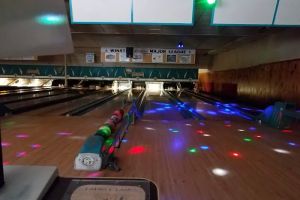
Laurel Duckpin Bowling Lanes
WinchesterNorthwest Hills Planning RegionConnecticut
266 Main St, Winsted, CT 06098, USA
1.2 Stance and Approach
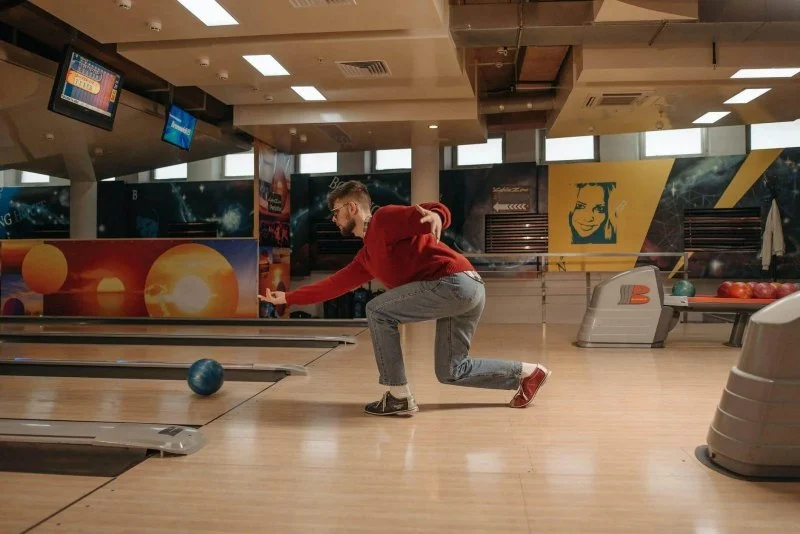
A proper stance involves balanced posture, knees slightly bent, and shoulders relaxed. The approach should be smooth and rhythmical, allowing momentum to carry the ball forward. Practicing a consistent approach helps maintain accuracy across frames.

AMF Circle Lanes
East HavenSouth Central Connecticut Planning RegionConnecticut
525 Main St, East Haven, CT 06512, USA
1.3 Footwork Essentials
Footwork sets the pace for your delivery. The common four-step or five-step approach ensures fluidity, timing, and coordination with arm swing. Practicing footwork without the ball can help engrain muscle memory before integrating it with full deliveries.
2. Effective Bowling Drills
2.1 The Target Drill
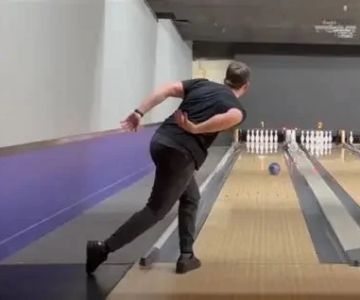
Place small markers on the lane or use arrows as aiming points. Practice rolling the ball directly over these targets to improve precision. Focus on keeping your arm straight and release smooth for consistent hits.
2.2 The One-Hand Drill
Using just your dominant hand without stepping allows you to concentrate solely on release and spin. This drill isolates technique and helps fine-tune your ball rotation, which is crucial for controlling curve and hook.
2.3 Speed Control Exercises
Practicing varying speeds helps you adapt to lane conditions. Roll the ball slowly to refine control, then gradually increase velocity while maintaining accuracy. Understanding speed dynamics enhances both strikes and spare shots.
3. Focus on Strike Consistency
3.1 Aligning Body and Ball
Strike consistency comes from proper alignment of your body, feet, and ball. Position yourself slightly left or right of the headpin depending on your ball’s hook. Practicing this alignment with repeated drills builds reliable strike patterns.
3.2 Hook and Spin Control
Learning to control your ball’s hook allows for optimal entry angles into the pocket. Drills that emphasize wrist rotation, follow-through, and release point enhance your ability to hit strikes more consistently.
3.3 Mental Focus and Visualization
Striking is as much mental as it is physical. Visualize the ball’s path, the pocket, and pin action before each roll. Mental rehearsal combined with physical drills increases confidence and consistency in high-pressure situations.
4. Spare Shooting Strategies
4.1 Left and Right Spare Targets
Set up practice sessions specifically for spares. Focus on shooting the ball at precise spots for left and right splits. Using markers or tape can help develop a visual target system that improves accuracy.
4.2 Straight Ball vs. Hook Techniques
Some spares are easier with a straight ball, while others benefit from controlled hooks. Practicing both options allows you to adjust depending on pin placement. This flexibility is key for competitive performance.
4.3 Repetition and Routine
Consistently practicing spares reinforces muscle memory. A dedicated spare drill session of 30–50 balls can dramatically improve your scoring consistency over time.
5. Real-Life Case Studies
Jake, a local league bowler, struggled with erratic strikes despite regular play. After incorporating target drills and one-hand exercises from Southwestern Lanes’ recommended routines, his average score increased by 25 points over two months. His story highlights how structured practice can lead to measurable improvement.
Similarly, Emily, a youth bowler, focused on spare drills using visual markers. By tracking her progress and adjusting approach angles, she reduced her spare conversion errors significantly, becoming a standout player in her regional tournaments.
6. Mistakes to Avoid
6.1 Overemphasizing Power
Many bowlers try to throw the ball too hard, sacrificing accuracy. Focus on smooth delivery, controlled hook, and proper alignment instead of excessive power.
6.2 Neglecting Footwork
Ignoring approach technique can lead to inconsistent releases. Always practice coordinated footwork alongside arm movement for balanced performance.
6.3 Skipping Spare Practice
Strikes are important, but consistently converting spares separates good bowlers from great ones. Avoid skipping spare-specific drills in your training sessions.
7. Tips for Maximizing Practice Time
7.1 Structured Sessions
Divide practice into warm-up, technique drills, strike practice, spare drills, and cool-down. Structured routines ensure balanced improvement across all aspects of the game.
7.2 Track Progress
Record scores, note drill performance, and track strike and spare conversion rates. Monitoring progress helps identify weaknesses and measure improvement over time.
7.3 Seek Feedback
Engage coaches or experienced bowlers for critique. Constructive feedback on stance, release, and approach accelerates skill development.
8. Resources and Recommendations
8.1 Southwestern Lanes Programs
Southwestern Lanes offers specialized training sessions and drills for bowlers of all levels. Their structured programs and expert guidance help players practice bowling drills that actually work, improving both strikes and spares.
8.2 Bowling Clinics and Workshops
Participating in local clinics or workshops exposes you to new techniques and personalized instruction. Combining these resources with regular practice ensures faster skill advancement.
8.3 Building a Personal Drill Plan
Create a drill schedule tailored to your strengths and weaknesses. Focus on consistent execution, track results, and adjust techniques with guidance from Southwestern Lanes resources. This disciplined approach turns practice into measurable performance gains.
By incorporating these effective bowling drills and strategies, bowlers can significantly enhance their accuracy, consistency, and overall performance. With guidance from Southwestern Lanes and disciplined practice routines, every bowler has the potential to improve and enjoy the game at a higher level.


 Roll the Ball Pro Shop at Penndel Bowling Center4.0 (7 reviews)
 Blue Valley Lanes Inc4.0 (387 reviews)
 Hammerhead Hops & Grill4.0 (235 reviews)
 Pro Image Bowling4.0 (28 reviews)
 Buckland Billiards and Bar4.0 (370 reviews)
 Uncle Buck's Fish Bowl and Grill4.0 (966 reviews)
 Best Bowling Alleys Near Me for Kids, Families, and Beginners Guide
 What Is a Turkey in Bowling and Other Fun Bowling Terms Explained
 Top Rated Bowling Shoes for Comfort, Grip, and Performance
 Bowling Tips That Help You Stay Consistent Under Pressure
 Bowling Tips for Casual Players Who Want Better Scores
 Best Bowling Alley Tips for Introverted Players