
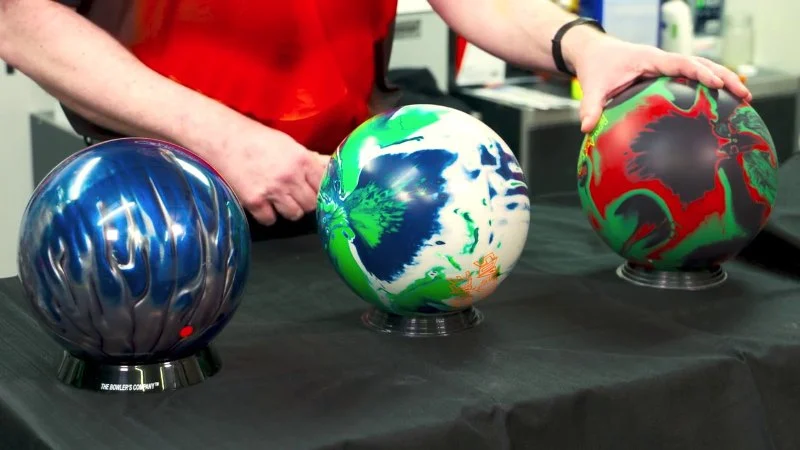
- ball-selection-guide-weight-fit-material - Choosing the Right Foundation for Your Game
- bowling-style-analysis-straight-cranker-stroker - Matching Ball Type to Playing Style
- drilling-grip-comfort-release - How Fit Affects Accuracy and Consistency
- lane-conditions-oil-patterns-adjustment - Adapting Your Ball Choice to Real Conditions
- maintenance-care-longevity - Keeping Your Bowling Ball Performing Like New
How to Select the Perfect Bowling Ball for Your Style Without Guesswork
Choosing the right bowling ball is not just about picking something that “feels good in your hand.” It is a combination of physics, personal style, lane behavior, and long-term consistency. Many bowlers in the US discover early that the wrong ball can make even solid technique look inconsistent. On the other hand, the right choice can suddenly turn average throws into controlled strikes.
This guide breaks down how to select the perfect bowling ball for your style in a way that feels practical rather than technical overload. You’ll see how professionals think about it, how beginners can avoid common mistakes, and how real-world adjustments matter more than brand hype.

Understanding Your Bowling Foundation Before Choosing a Ball
Why Your Natural Throwing Style Matters More Than Equipment Trends
Every bowler develops a natural motion. Some release the ball straight down the lane with minimal spin, while others generate strong side rotation that creates dramatic hooks. These differences are not just “style preferences”—they directly affect how the ball interacts with the lane.
A beginner often assumes that a high-performance ball will improve their game instantly. In reality, if the ball doesn’t match their motion, it can exaggerate mistakes instead of correcting them.

CT Bowling Alley by RPM - Lanes
StamfordWestern Connecticut Planning RegionConnecticut
600 West Ave, # Bowling Room, Stamford, CT 06902, USA
The Three Core Bowling Styles You Should Identify
To truly understand bowling ball selection, you need to recognize your style category:
A straight-style bowler typically prioritizes control and spare accuracy. A cranker-style bowler focuses on power and rotation. A stroker-style bowler sits in between, valuing smooth control with moderate hook potential.
This classification helps narrow down whether you need a plastic spare ball, a reactive resin bowling ball, or a hybrid design.
Ball Weight and Why It Is More Psychological Than Most People Think
The Common Mistake Beginners Make
One of the biggest misconceptions is choosing the heaviest ball you can physically lift. While heavier balls can carry more momentum, they can also reduce control if your muscles fatigue quickly.
A common real-world example comes from recreational leagues where new players start with 16-pound balls, only to switch to 14-pound versions after realizing their accuracy improves dramatically with less strain.
Finding the Ideal Bowling Ball Weight
The ideal weight is usually one that feels comfortable after multiple frames, not just the first throw. Professional coaches often recommend selecting a weight that is roughly 10% of your body weight as a baseline, but comfort always overrides formula.
The goal is consistency, not maximum force.
Coverstock Materials and How They Change Your Game
Plastic, Urethane, and Reactive Resin Explained Simply
The outer shell of the bowling ball determines how it reacts to lane oil. Plastic balls travel straight and are ideal for beginners and spare shots. Urethane offers moderate hook potential and controlled motion. Reactive resin is designed for aggressive hooking and advanced lane play.
If you’ve ever watched professional tournaments, most players rely heavily on reactive resin bowling ball systems because they respond dynamically to oil patterns.
When Advanced Materials Become a Disadvantage
A stronger hook is not always better. On dry lanes, reactive resin can overreact, causing unpredictable curves. This is why many experienced bowlers carry multiple balls for different conditions.
Grip, Drilling, and the Hidden Factor Most Bowlers Ignore
Why Fit Determines Accuracy More Than Power
Even the most expensive ball will fail if it doesn’t fit your hand correctly. A proper grip ensures clean release, reduced tension, and predictable rotation.
Custom drilling adjusts finger spacing and thumb depth. This is where many bowlers see the biggest performance improvement without changing their technique.
Real Case Example: A League Player’s Breakthrough
A recreational league player in Ohio struggled with inconsistent spares for years. After switching to a professionally fitted ball with adjusted drilling, their average score improved by nearly 20 pins within a month. No technique overhaul—just better fit.
This is why many coaches emphasize fitting before upgrading equipment.
Lane Conditions and Why One Ball Never Works Everywhere
Understanding Oil Patterns in Simple Terms
Bowling lanes are coated with oil patterns that control ball movement. Heavy oil lanes require stronger hook potential, while dry lanes demand smoother, controlled reactions.
This is why professional bowlers constantly adapt equipment rather than relying on a single “perfect” ball.
Adjusting Strategy Instead of Blaming Equipment
Many players assume inconsistency comes from skill alone, but lane conditions are often the hidden variable. Adjusting ball surface or switching equipment can dramatically change results.
For players looking to refine their setup, resources like Southwestern Lanes offer valuable insight into selecting equipment that matches real playing environments.
Building a Smart Bowling Ball Arsenal Over Time
Why One Ball Is Not Enough for Serious Players
As bowlers improve, they typically expand their collection to include a strike ball, a spare ball, and sometimes a specialized hook ball. This allows flexibility across conditions.
Beginners often start with one versatile ball, but progression naturally leads to specialization.
Strategic Growth Instead of Random Purchases
Instead of buying based on trends, players should expand their arsenal based on observed weaknesses in their game—such as missed spares or inconsistent hook control.
Maintenance Habits That Keep Performance Stable
Cleaning and Surface Care
Oil absorption affects ball reaction over time. Regular cleaning helps maintain predictable motion. Without maintenance, even the best bowling ball loses performance consistency.
When to Resurface or Replace
If your ball starts reacting differently despite consistent technique, it may need resurfacing. Professional bowlers often schedule maintenance based on usage frequency rather than visible wear.
How Real Bowlers Actually Make Their Final Choice
In practice, selecting the perfect bowling ball for your style is not a single decision—it is a process of refinement. Most experienced bowlers test multiple combinations of weight, coverstock, and drilling until they find a reliable setup.
One of the most overlooked truths in bowling is that improvement often comes from understanding your own habits more than chasing equipment upgrades. The right ball simply amplifies what you already do well.
If you’re ready to refine your game and explore equipment that truly matches your style, browsing curated selections and guidance from Southwestern Lanes can help you move from guessing to making informed decisions that actually improve performance.




 Bowlero East Meadow4.0 (797 reviews)
 Tilted 104.0 (396 reviews)
 West Point FMWR Bowling Center4.0 (105 reviews)
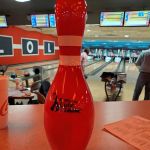 Bowlero Belleville4.0 (1958 reviews)
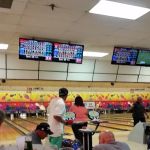 Homefield Bowl4.0 (783 reviews)
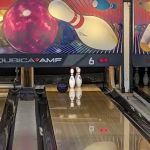 Larkfield Lanes4.0 (189 reviews)
 Tips for Bowling on Dry Lanes: How to Improve Your Game
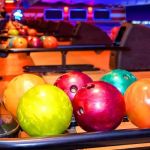 How to Find the Best Bowling Deals Near Me in the US
 Bowling Tips for Casual and Competitive Players: Improve Your Game Fast
 How to Practice Bowling at Home Without a Lane: Simple Training Tips
 How to Bowl a Spare Even When the Setup Looks Impossible
 How to Record Your Bowling Games for Self-Analysis