
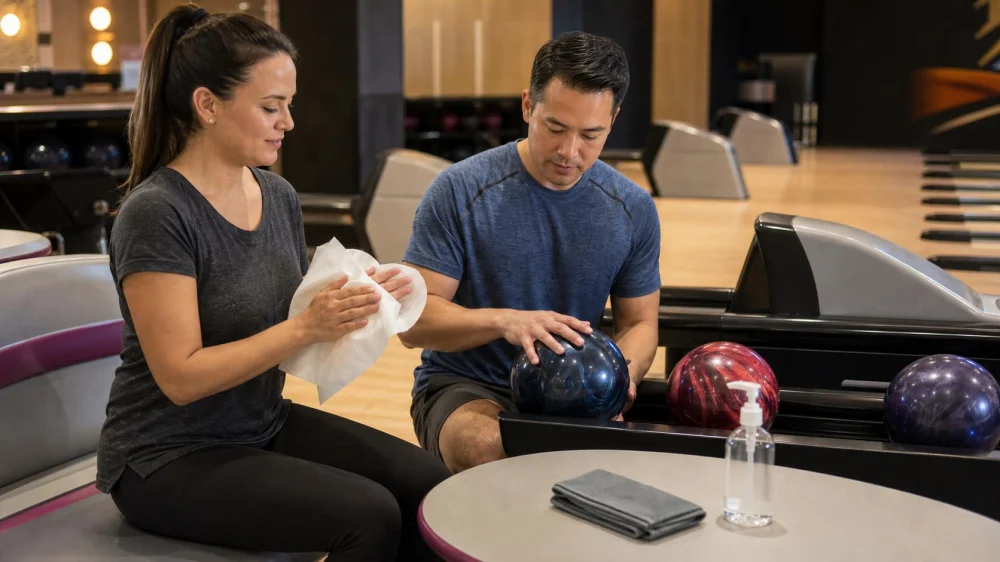
Shared Bowling Ball Hygiene: Hands, Grips, and Gear
On this page
Quick answer
At a bowling center, treat house-ball holes, scoring consoles, ball returns, rental counters, tables, and arcade controls as shared touchpoints. Wash hands with soap and water before eating, after the restroom, and when visibly dirty. Use sanitizer when washing is unavailable, let hands dry before bowling, keep food away from equipment, and ask staff to clean a visibly soiled house ball.

Dave & Buster's Milford
MilfordSouth Central Connecticut Planning RegionConnecticut
1201 Boston Post Rd, Milford, CT 06460, USA
Identify shared touchpoints
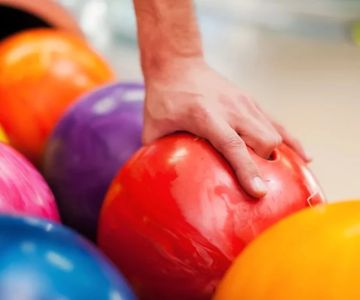
Many players can touch the same house ball, console, seat, rail, touchscreen, and return during one session. That does not mean every surface is dangerous, but it makes routine hand hygiene more useful than repeatedly spraying objects with unapproved chemicals.
Build hygiene into natural transitions: arrival, restroom use, eating, treating a cut, and departure. Avoid touching eyes, nose, or mouth with unwashed hands. Cough or sneeze into a tissue or elbow, then clean hands before returning to shared gear.

Dave & Buster's Philadelphia - Franklin Mills
PhiladelphiaPhiladelphia CountyPennsylvania
1995 Franklin Mills Cir, Philadelphia, PA 19154, USA
Clean hands at useful times
Wash with clean running water and soap, lather all hand surfaces, scrub for at least 20 seconds, rinse, and dry. Washing is especially important before food, after the restroom, after blowing the nose or coughing into hands, and whenever hands are visibly dirty or greasy.
If soap and water are unavailable, CDC recommends a hand sanitizer with at least 60% alcohol. Apply enough to cover all surfaces and rub until dry. Do not bowl with wet sanitizer: a slippery grip can cause a dropped or lofted ball. Keep sanitizer away from children unless supervised and away from flames.
Handle house balls safely
Inspect a house ball before use. Return one with liquid, sticky residue, sharp damage, blood, or another bodily fluid to staff without handling it more than necessary. Do not reach into the ball return or clean moving equipment yourself.
Use only the bowling center’s approved cleaning process. Household disinfectants, bleach, abrasive pads, and soaking can change the ball surface, damage finger inserts, leave a slippery film, or conflict with equipment rules. Ask staff whether a ball can be cleaned or exchanged.
Choose a ball whose holes fit without forcing swollen, bandaged, or painful fingers. Hygiene does not replace fit and injury prevention.
Care for a personal ball
Follow the ball manufacturer and current competition rules for surface cleaners. The United States Bowling Congress maintains an approved cleaner and polish list for equipment use. A product permitted after play may not be permitted during certified competition, so league bowlers should check current rules.
Use a clean dedicated towel, keep the ball bag dry, and wash cloths separately according to their instructions. Never pour cleaner into finger holes unless the product maker specifically directs it. Allow every surface to dry before storage and before the next shot.
Separate food and cover wounds
Keep food on the table rather than on the scoring console or ball rack. Clean hands before eating, not just after bowling. Do not handle shared food immediately after placing fingers into a ball.
Cover small cuts with a secure waterproof bandage that does not interfere with grip. If a wound is bleeding, stop play, avoid shared equipment, notify staff, clean the area appropriately, and replace contaminated items. Do not bowl with an uncovered draining wound.
Hygiene checklist
- Inspect the house ball and touchpoints without reaching into machinery.
- Ask staff to replace or clean visibly soiled gear.
- Wash hands before eating and after the restroom.
- Use at least 60% alcohol sanitizer only when washing is unavailable.
- Let hands dry fully before gripping a ball.
- Keep food and drinks away from ball racks and consoles.
- Cover wounds and stop play for bleeding.
- Use only equipment-approved cleaners on personal balls.
Frequently asked questions
Should I disinfect every house ball myself?
No. Ask staff about its cleaning process. Unapproved chemicals can damage equipment or leave a grip hazard. Hand hygiene at key times is more practical.
Can sanitizer make my grip unsafe?
Yes, while wet or if it leaves residue. Rub until hands are completely dry and stop if the grip feels slippery.
Can I eat while waiting for my turn?
Use the table, clean hands first, and finish handling food before bowling. Keep greasy fingers and crumbs away from holes, consoles, and returns.
Are USBC-approved cleaners automatically allowed anytime?
No. Product approval and timing rules are separate. Check current league or tournament rules before altering or cleaning a ball during competition.
Sources and limitations
CDC’s handwashing guidance recommends soap and water and at least 60% alcohol sanitizer when washing is unavailable. USBC publishes a current approved cleaner and polish list for bowling equipment.
This is general recreational hygiene guidance, not medical advice or a venue sanitation assessment. Follow center staff, product labels, ball manufacturers, current competition rules, and a clinician for individual health concerns.
Next steps
Pack a clean towel, bandages, and sanitizer, but plan to use the bowling center’s sink before food. Inspect shared gear, let staff handle visible contamination, and allow hands to dry before every grip. After play, wash hands and clean personal equipment only with approved methods.


 Backstage4.0 (685 reviews)
 Long Island Usbc4.0 (4 reviews)
 Spare Time Windsor Locks4.0 (1751 reviews)
 Round1 Bowling & Arcade Deptford Mall4.0 (1440 reviews)
 Oakwood Lanes4.0 (521 reviews)
 AMF Circle Lanes4.0 (692 reviews)
 How to Improve Bowling Accuracy Fast: Best Tips for Beginners and Casual Players
 Tips for Keeping Your Ball from Hooking Too Early: Master Your Bowling Technique
 How to Read Pin Scatter Patterns in Bowling
 Bowling Tips That Help You Improve Your Score Every Game
 Why Fun Is the Key to Bowling Improvement - Southwestern Lanes
 How to Improve Your Approach Direction