
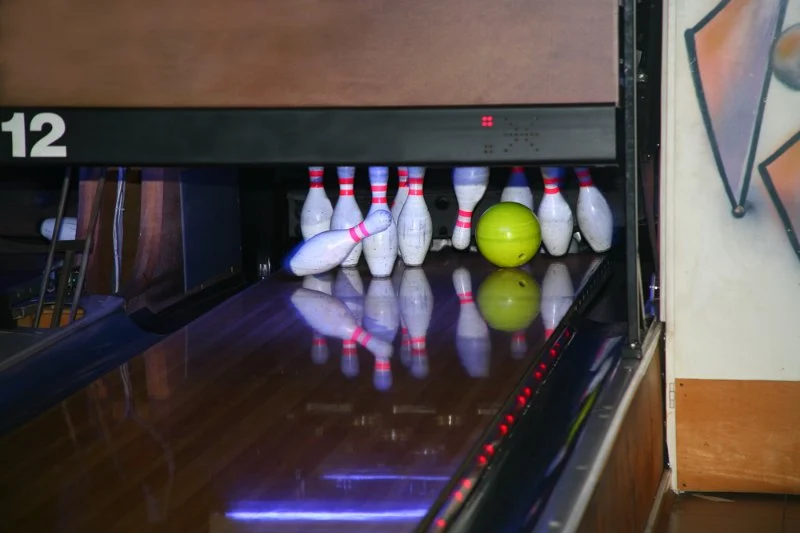
- 1-Understanding Pin Scatter Patterns
- 2-The Importance of Analyzing Pin Scatter
- 3-Techniques for Reading Pin Scatter
- 4-Case Studies: Pin Scatter in Action
- 5-Expert Tips for Mastering Pin Scatter
- 6-Conclusion
1-Understanding Pin Scatter Patterns
In bowling, pin scatter refers to how the pins move after a bowler's ball hits them. The pattern of their movement and where they land can provide crucial insights into how well a shot was executed. Understanding pin scatter patterns is key for bowlers who want to improve their accuracy and consistency. In this article, we’ll dive into how to read pin scatter patterns and how they can impact your bowling performance.

2-The Importance of Analyzing Pin Scatter
Analyzing pin scatter patterns isn’t just about knowing how many pins remain standing; it also helps bowlers understand what went wrong or right in their shots. Pin scatter can reveal issues with ball speed, angle, and spin. By interpreting these patterns, bowlers can make adjustments in future shots to improve their chances of striking.
For example, if the pins spread widely, this might indicate a strong impact, while a small grouping of pins might suggest that the ball hit the pocket at an incorrect angle. By learning to read these patterns, bowlers can fine-tune their technique to achieve better results.

Buddies Pro Shop, Inc.
FairfieldGreater Bridgeport Planning RegionConnecticut
802 Villa Ave, Fairfield, CT 06825, USA
3-Techniques for Reading Pin Scatter
When reading pin scatter, it’s important to observe the distribution and movement of the pins. Here are some key techniques to help you better understand what the scatter pattern is telling you:
3.1 Pay Attention to Pin Clusters
If you notice a cluster of pins remaining in a particular spot, it can indicate that the ball hit the pocket too straight or with too much angle. Adjusting your approach and adjusting the ball's entry angle can help you improve the scatter and increase your chances of a strike.
3.2 Observe Pin Trajectories
The direction in which pins travel is a valuable indicator of the shot’s quality. If most pins fly toward the back of the lane or into the gutter, the ball might have been off-target or hit the pocket with too much force. Ideally, you want the pins to scatter widely across the lane, creating more opportunities for a strike.
3.3 Track the Corner Pins
In many cases, the corner pins (7 and 10) can tell you a lot about your shot. If these pins are left standing frequently, it might indicate that your ball isn’t entering the pocket at the correct angle. A small adjustment in your release or targeting could help eliminate this problem.
4-Case Studies: Pin Scatter in Action
Understanding pin scatter patterns becomes much easier when you look at real-world examples. Let’s examine a few situations where pin scatter was key to a bowler’s success or failure:
4.1 Case Study: The Power Shot
A bowler delivers a powerful shot that strikes the pocket with great force. The result is a large pin scatter, with most pins flying to the back of the lane. However, the 10 pin remains standing, indicating that the ball was slightly off-center. By analyzing this pattern, the bowler can recognize the need to adjust the angle or ball speed for better results.
4.2 Case Study: The Steady Approach
Another bowler delivers a consistent shot with a moderate speed and spin. The result is a balanced pin scatter, with a few pins remaining standing close to each other. This indicates that the ball entered the pocket at an ideal angle. The bowler’s controlled approach results in a higher percentage of strikes over time.
4.3 Case Study: The Missed Target
In this case, the bowler’s shot misses the pocket entirely, sending the ball into the 2-4-10 triangle. The resulting pin scatter shows a large number of pins left standing in the same spot. This pattern highlights the need for better targeting and a more focused approach to hitting the pocket directly.
5-Expert Tips for Mastering Pin Scatter
To improve your ability to read pin scatter and refine your technique, here are some expert tips:
5.1 Focus on Consistency
In order to interpret pin scatter effectively, consistency in your shot delivery is key. The more consistently you hit the pocket, the easier it will be to recognize patterns in the scatter. Small adjustments to your ball speed, spin, and targeting can help you achieve more consistent results.
5.2 Use the Right Equipment
Your bowling ball plays a significant role in how the pins scatter. Consider experimenting with different ball types, weights, and surface textures to see how they impact pin action. This can help you find the optimal equipment for your style of play.
5.3 Stay Patient and Observant
Reading pin scatter requires patience and careful observation. Take time after each shot to analyze the pins and adjust your approach accordingly. Over time, you’ll develop a better understanding of how your shot affects the outcome and how to adjust to maximize your results.
6-Conclusion
Reading pin scatter patterns is a valuable skill for bowlers who want to elevate their game. By understanding how the pins behave after each shot, bowlers can make more informed decisions and improve their performance. Remember to focus on consistency, observe the pin patterns carefully, and make small adjustments to refine your technique. For more tips and bowling equipment recommendations, be sure to check out Southwestern Lanes for the best products and services to enhance your bowling experience.






 Play! Hoboken3.0 (114 reviews)
 Fort Hamilton Bowling Center4.0 (201 reviews)
 Custom Thumbs Grips4.0 (12 reviews)
 Uncle Buck's Fish Bowl and Grill4.0 (966 reviews)
 Alley Kat4.0 (10 reviews)
 Bar-Don Lanes4.0 (498 reviews)
 Affordable Bowling Nights in San Diego with Discounts and Specials
 Best Cheap Bowling Deals in Jersey City for Groups
 Beginner Bowling Tips: How to Stop Missing Spares and Improve Your Score
 Affordable Bowling in Oakland for Weekend Fun: Tips and Top Spots
 How to Master Bowling Footwork Quickly
 Top Bowling Centers in Tucson for Parties and Events