
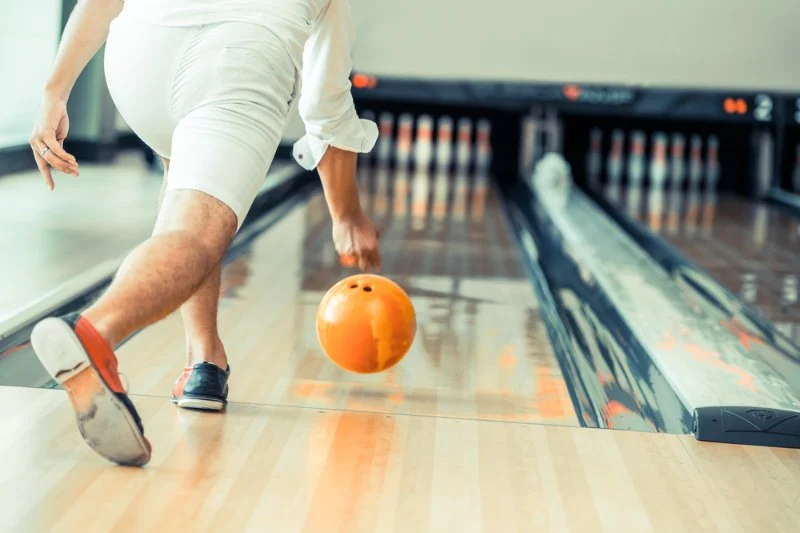
- 1. Understanding Ball Transfer in Bowling
- 2. Why Ball Transfer Matters on Approach
- 3. Key Techniques for Perfecting Ball Transfer
- 4. Tips for Improving Your Ball Transfer
- 5. Common Mistakes and How to Avoid Them
1. Understanding Ball Transfer in Bowling
In bowling, the ball transfer refers to the movement of the ball from your hand to the lane with proper control and accuracy. The way you handle the ball during the approach can significantly impact your delivery and overall performance. While many bowlers focus on their aim and release, the ball transfer is equally important as it sets the foundation for a consistent and powerful shot.
Tommy Delutz Jr Bowling Pro-Shop
New Hyde ParkNassau CountyNew York
1301 465 Herricks Rd, New Hyde Park, NY 11040, USA
2. Why Ball Transfer Matters on Approach
The approach is the initial movement before you release the ball, and the ball transfer is the key action that influences the entire shot. A smooth and controlled transfer allows you to maintain balance, ensure precision, and generate the desired ball speed and rotation. If the transfer is rushed or uncoordinated, it can throw off your timing, accuracy, and power, leading to inconsistent results.
A proper ball transfer also helps in maintaining a steady posture and prevents unnecessary tension in your arm and wrist. When done correctly, it allows you to use your body weight and momentum efficiently, which ultimately contributes to a smoother and more powerful release.

3. Key Techniques for Perfecting Ball Transfer
Mastering the ball transfer technique requires attention to detail and practice. Here are some key elements to focus on:
- Arm Position: Ensure that your arm is relaxed and in the correct position as you start the approach. The ball should rest comfortably in your hand, and your elbow should remain slightly bent.
- Grip: Use a firm but not overly tight grip on the ball. A tight grip can lead to tension in your arm and affect the transfer's fluidity.
- Timing: The transfer should be seamless, with the ball transitioning from your stance into the swing in a fluid motion. Avoid jerky movements that could cause inconsistency in your release.
- Hand Placement: Keep your hand relaxed and follow through with a consistent hand placement after the transfer. This ensures that your release is smooth and that you generate proper rotation.
4. Tips for Improving Your Ball Transfer
Improving your ball transfer takes time, but with these tips, you can refine your technique and achieve better results:
- Practice with Light Balls: Start by practicing with a lighter ball to perfect your transfer mechanics. Once comfortable, gradually increase the weight to match your usual bowling ball.
- Focus on Smoothness: A smooth transfer is more important than speed. Focus on making the motion fluid, as speed can naturally build from proper mechanics.
- Use Drills: Practice specific drills that focus on ball transfer, such as the "one-step" drill. This drill can help you develop better control and feel for the ball.
- Work on Posture: Good posture during the approach is crucial. Keep your body upright and balanced as you transfer the ball into the swing to prevent unnecessary strain on your muscles.
5. Common Mistakes and How to Avoid Them
Many bowlers make mistakes during the ball transfer that can affect their overall performance. Here are some common errors to avoid:
- Rushing the Transfer: Trying to rush the transfer can lead to a loss of control and power. Take your time and focus on making the transfer smooth.
- Over-Gripping the Ball: Holding the ball too tightly can lead to tension and poor transfer. Keep a relaxed grip to allow for better fluidity.
- Incorrect Timing: Poor timing during the transfer can throw off your entire approach. Make sure the transfer is seamlessly incorporated into your full swing.
- Not Using Proper Arm and Wrist Position: A stiff wrist or incorrect arm position can result in poor accuracy and inconsistent shots. Always focus on keeping your wrist relaxed and your arm in the correct alignment.
By focusing on these key aspects of ball transfer, you can enhance your accuracy, consistency, and overall bowling performance. Remember, the ball transfer is the starting point for a successful shot, and mastering this technique will lead to better results on the lane.
To learn more about bowling tips and to find the best bowling equipment, visit Southwestern Lanes for expert recommendations and products.






 Custom Thumbs Grips4.0 (12 reviews)
 Shaker Bowl4.0 (612 reviews)
 Pro Shop Services Professional Bowling Instruction & Supplies5.0 (2 reviews)
 Ducks on the Ave4.0 (180 reviews)
 AMF Circle Lanes4.0 (692 reviews)
 Bowlero Chicopee4.0 (1138 reviews)
 How to Read Pin Scatter Patterns in Bowling
 How to Choose Between Plastic, Urethane, and Reactive Resin Bowling Balls
 Cheap Bowling Near Me in Jacksonville with Deals and Discounts Guide
 Bowling Tips for Players Who Want to Increase Strike Rate
 How to Throw a Bowling Ball More Smoothly
 How to Bowl a Spare Even When the Setup Looks Impossible