
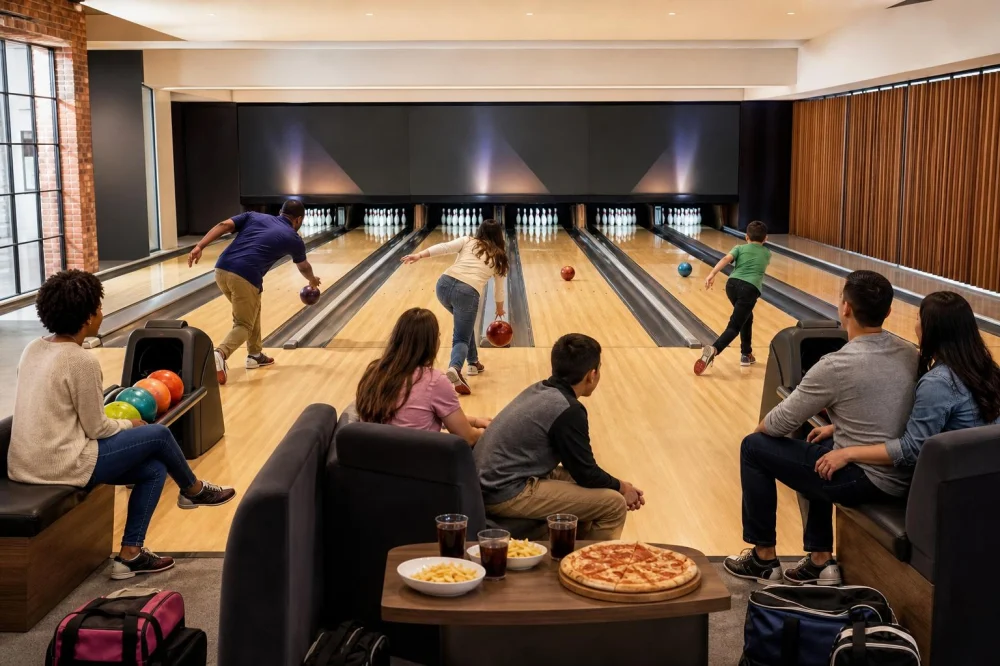
How Many Bowling Lanes Does Your Group Need?
In this guide
Putting the maximum allowed number of people on each bowling lane can lower the lane price per person, but it can also mean long waits, fewer games, crowded seating, and a rushed finish. The right count depends on the center's policy, reservation length, group mix, bowling format, and whether the goal is competition, practice, or social time.
Quick answer
Ask the center for its maximum bowlers per lane, then plan below that maximum when the group wants multiple games or includes children and beginners. Four bowlers per lane often creates a comfortable recreational pace; five or six may work for a social group with a longer reservation, but center policies and actual speed vary. Reserve adjacent lanes, provide the final head count early, and ask how extensions or late arrivals are handled.
Start with the bowling center's limits
Bowling centers set their own maximum people and bowlers per lane based on scoring systems, seating, fire rules, party packages, and operations. “People” may include non-bowling guests, while the scoring console may limit the number of names entered.
Call the exact location. Ask for both maximum registered bowlers and total guests in the lane area. A birthday package, league pair, VIP suite, duckpin center, candlepin center, or boutique bowling venue may use different limits.
A maximum is a safety and operational ceiling, not a recommendation for comfortable play. If the center permits eight names but has seats for five, the experience may still be crowded.
Decide how many games fit the time
A ten-frame game can move quickly for two experienced bowlers and much more slowly for six beginners. Ball selection, shoe changes, food, conversation, lane malfunctions, bumpers, and children all add time. Do not promise a fixed number of games without asking the center for its local estimate.
Work backward from the goal. If everyone wants two complete games in 90 minutes, fewer bowlers per lane gives more margin. If the goal is casual socializing and one game is enough, a fuller lane may be fine.
Clarify whether reserved time includes shoe pickup, setup, practice, lane instruction, food service, and cleanup. Some centers start the clock at the reservation time even when guests arrive late.
Account for age and experience
Beginners need time to find a suitable ball, learn the scoring order, and bowl safely. Young children may use bumpers or ramps and need active adult supervision. Experienced bowlers with their own equipment can usually maintain a steadier pace.
Do not place all children on one lane unless enough supervising adults are assigned there. Spread patient experienced bowlers across lanes to help with turns, consoles, and lane etiquette.
Mobility needs also affect pace and space. Ask about step-free access, ball ramps, lighter balls, accessible seating, and how wheelchairs or mobility devices fit in the approach area without blocking it.
Match lane count to the playing format
Open recreational bowling usually keeps each bowler on one lane. League-style play may alternate across a pair of lanes. Baker format has team members bowl selected frames in one shared team game, so it can move and score differently from individual games.
A tournament bracket, team-building rotation, or head-to-head match may need an even number of lanes and balanced teams. A casual party can use odd lane counts more easily.
Tell the center the intended format. Staff can advise whether its scoring system supports team names, automatic lane switching, timed games, or special competition modes.
Ask whether lanes will be adjacent
Multiple reserved lanes are not always guaranteed to be side by side unless the confirmation says so. Adjacent lanes help supervision, food service, scoring help, and social connection. A pair may share a ball return or seating area.
Request adjacency at booking and confirm again before arrival, while understanding that maintenance or prior events can force changes. For children or participants needing assistance, explain why proximity is important.
If the group receives separated lanes, assign a responsible contact to each area and use a simple message group rather than walking through other bowlers' approaches.
Create a simple lane assignment
Prepare lane groups before arrival, balancing skill, ages, supervision, and social connections. Send the list or have one organizer enter names. Last-minute debate at the console consumes paid lane time.
Keep people on their assigned lane unless the center and scoring format allow switching. Moving names mid-game can confuse turns and results. For a social event, rotate groups between complete games rather than in the middle.
Use short recognizable display names without inappropriate language or personal information. Confirm spelling before play begins if scores matter.
Plan seating, shoes, food, and belongings
More lanes provide more approach and seating capacity, but the exact layout varies. Ask where coats, bags, strollers, mobility devices, and personal bowling equipment can go. Nothing should block the approach, ball return, walkway, or emergency exit.
Have shoe sizes ready and encourage early arrival. Keep rental shoes dry and away from spilled food because moisture and debris can change sliding traction. Food and drinks belong in the seating area, not on the approach.
If ordering food, ask when it will arrive relative to bowling time. A full meal during a short reservation slows play; food before or after bowling may work better.
Reservation questions to ask
- What is the maximum number of bowlers and total guests per lane?
- Are lanes guaranteed to be adjacent?
- Is pricing by lane, person, game, or time?
- When does paid lane time begin and end?
- Are shoe rentals, balls, taxes, and service fees included?
- Can the reservation be extended if lanes are available?
- What happens when guests arrive late?
- When is the final head count due?
- What are the deposit, cancellation, and refund terms?
- Are bumpers, ramps, accessible features, or food packages reservable?
Compare time pricing and game pricing
Per-game pricing charges for each bowler's completed game, while time pricing rents the lane for a fixed period. Packages may combine lane time, shoes, food, arcade credit, or a party host. Compare the full total, not only the headline price.
With time pricing, a crowded lane may reduce how much each person bowls. With per-game pricing, more lanes may not change the basic bowling charge but could affect reservation minimums or space fees.
Ask about peak pricing, taxes, gratuity or service charges, shoe rental, food minimums, and deposit. Decide who pays and how costs are divided before arrival.
Frequently asked questions
Is six people per bowling lane too many?
It can work for a social group, but play will be slower and seating may feel crowded. Check the center's limit and reservation length.
How many lanes do 20 people need?
At four per lane, five lanes is a comfortable starting estimate. Four lanes creates groups of five. Confirm availability, goals, and center capacity before booking.
Do non-bowlers count?
They may count toward total occupancy, party head count, food minimum, or guest fee. Ask the center.
Can children and adults share a lane?
Usually, and it can improve supervision. Confirm whether bumpers can be set by bowler or apply to the whole lane.
Should a serious match use lane pairs?
Many competitive formats alternate across a pair, but rules vary. Tell the center the event format and reserve accordingly.
Book for flow, not maximum capacity
The best lane count lets the group bowl at the pace it expects without crowding the approach or turning every frame into a wait. Begin with the center's limits, estimate desired games and time, account for beginners and children, choose the format, and secure adjacent lanes. A little spare capacity often buys more actual bowling and a calmer event.


 Laurel Lanes4.0 (1895 reviews)
 Bowlero Milford4.0 (1430 reviews)
 The Patio at Revolutions4.0 (4 reviews)
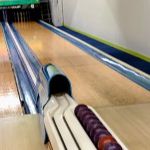 Agawam Bowl4.0 (235 reviews)
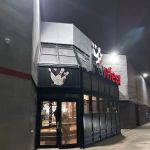 Gil Hodges Lanes4.0 (73 reviews)
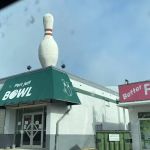 Port Jeff Bowl4.0 (533 reviews)
 Best Bowling Alley Tips for Kids' Training: Improve Skills and Fun
 Why Ball Layout Changes Hook Shape Dramatically
 Why Tilt and Rotation Affect Hook Shape
 How to Choose the Right Bowling Lane for Best Performance
 How to Choose Between Two-Handed and One-Handed Bowling Styles
 Top Bowling Centers in Nashville for Music, Fun, and Bowling Experiences