
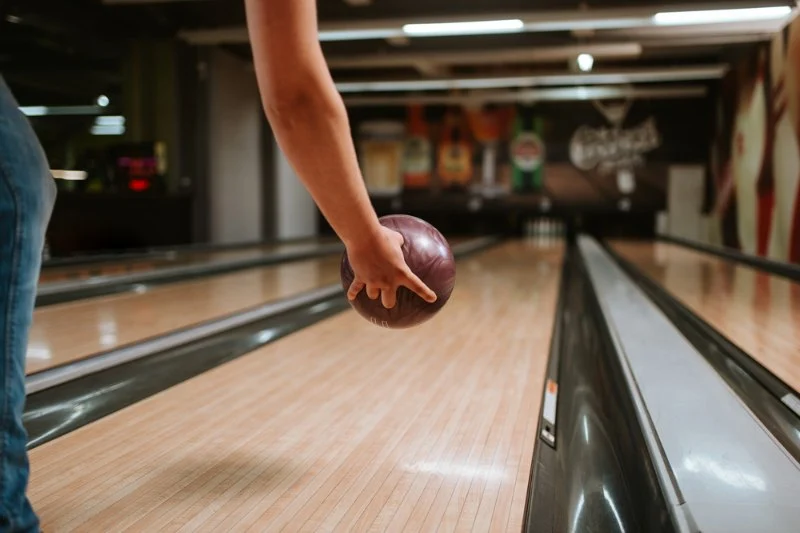
1. Introduction: Understanding Oil Patterns in Bowling
In bowling, oil patterns play a crucial role in the way the ball reacts on the lane. Understanding how to adjust to both short and long oil patterns can make a significant difference in your game. Whether you're a casual bowler or a competitive player, mastering these adjustments will help you navigate the lanes more effectively and improve your scores.
This guide will walk you through the basics of short and long oil patterns, how to adjust your ball speed, angle, and spin for each, and offer strategies for optimizing your game on different oil conditions.
Strike Zone Bowling Pro Shop
ThomastonNaugatuck Valley Planning RegionConnecticut
180 Watertown Rd, Thomaston, CT 06787, USA
2. What Are Short and Long Oil Patterns?
Before diving into adjustments, it’s important to understand the differences between short and long oil patterns. These terms refer to how much oil is applied to the lane and where it is placed. Oil patterns influence how the ball behaves as it moves down the lane, affecting the hook and overall trajectory.
Danbury Duckpin Lanes
DanburyWestern Connecticut Planning RegionConnecticut
7 E Hayestown Rd, Danbury, CT 06811, USA
2.1 Short Oil Patterns
Short oil patterns typically cover 32 feet or less of the lane. These patterns create less friction between the ball and the lane, causing the ball to hook earlier and more sharply. Short oil patterns often result in a more challenging environment, as the ball’s motion can be unpredictable. For bowlers, this means they need to make adjustments to maintain control and accuracy.
2.2 Long Oil Patterns
On the other hand, long oil patterns extend beyond 40 feet. With more oil on the lane, the ball tends to slide further before hooking. Long oil patterns require bowlers to adjust their strategies, as the ball's reaction is delayed and often less sharp. Players must find the right angle and speed to ensure their ball finishes with enough energy to strike effectively.
3. How to Adjust to Short Oil Patterns
When bowling on a short oil pattern, it’s essential to make specific adjustments to your approach to control the ball's movement and achieve better results.
3.1 Ball Speed and Release
One of the most important factors in adjusting to short oil patterns is controlling your ball speed. Since the ball hooks earlier on short patterns, a faster ball speed can help prevent overhooking. Aim for a consistent, medium speed to allow your ball to travel further down the lane before it reacts to the oil.
3.2 Adjust Your Angle
To avoid overhooking, adjust your angle of approach. A straighter line will reduce the ball’s early hook, allowing it to maintain control through the pocket. You may need to aim more directly at the pocket or adjust your stance to account for the sharp hook early in the lane.
3.3 Use the Right Ball
Ball selection is key. A ball with a stronger coverstock and less surface friction will allow the ball to glide further before reacting. This can help control the early hook and give you more predictability in your shots.
4. How to Adjust to Long Oil Patterns
Long oil patterns present a different set of challenges, and adjusting to these patterns requires a more deliberate approach to control the ball's reaction and finish.
4.1 Ball Speed and Release
On long oil patterns, the ball needs more time to hook, so it’s essential to increase your ball speed slightly. This helps the ball cover more distance before it starts to curve and ensures that it doesn’t overcompensate with a late hook.
4.2 Adjust Your Line
Long oil patterns often require you to adjust your line of attack. A larger hook will likely be needed to get the ball into the pocket with enough energy. Try using a more aggressive angle, but avoid too much curvature, as the ball may miss the pocket if the hook is too sharp.
4.3 Choose a Ball with More Aggression
For long oil patterns, a ball with more aggressive coverstock is ideal. These balls generate more friction and allow for a stronger hook later in the lane. This type of ball will help your shot finish with more power, ensuring a better chance of striking.
5. Common Mistakes to Avoid When Adjusting to Oil Patterns
Even experienced bowlers can fall into a few common traps when adjusting to oil patterns. Being aware of these pitfalls can help you make more precise adjustments and improve your performance.
5.1 Overcompensating with Speed
While adjusting your ball speed is essential, overcompensating by going too fast can cause your ball to lose control or miss the pocket. It’s important to find the right balance between speed and accuracy to maintain consistency.
5.2 Underestimating the Importance of Lane Condition
One of the biggest mistakes is not fully considering the lane condition and how it affects the ball’s motion. Always take the time to assess the oil pattern before making adjustments, as this will ensure that you are making the right changes for optimal performance.
5.3 Ignoring the Ball’s Reaction
Pay close attention to how your ball reacts to the lane conditions. If it’s not finishing the way you want it to, make small adjustments to your release or ball choice before overhauling your entire approach. Being in tune with the ball’s behavior will help you make more informed adjustments.
6. Conclusion: Mastering Oil Pattern Adjustments for Better Performance
Whether you’re bowling on short or long oil patterns, the key to success lies in understanding the conditions and making smart, incremental adjustments. By adjusting your ball speed, angle, and selecting the right equipment, you can optimize your performance on any lane.
For more information on bowling equipment, tips, and strategies, visit Southwestern Lanes, where we provide the best resources to enhance your bowling game and help you master every oil pattern you face.



 Melody Lanes4.0 (2115 reviews)
 TNT Amusements Inc4.0 (288 reviews)
 Devon Duckpin Bowling Lanes3.0 (16 reviews)
 Spins Bowl Poughkeepsie4.0 (724 reviews)
 St Monica Bowling Lanes4.0 (68 reviews)
 Rockaway Lanes Inc4.0 (397 reviews)
 Best Bowling Alleys in the U.S. That Travelers Love
 Top Bowling Alleys Near Me for Date Nights and Social Events
 How to Find Bowling Deals Near Me for Groups and Parties
 Best Bowling Tips for Beginners Who Want to Improve Score Fast Without Expensive Equipment
 Bowling Tips That Help You Improve Accuracy and Control
 Best Bowling Alley Foods to Keep You Energized and Focused